


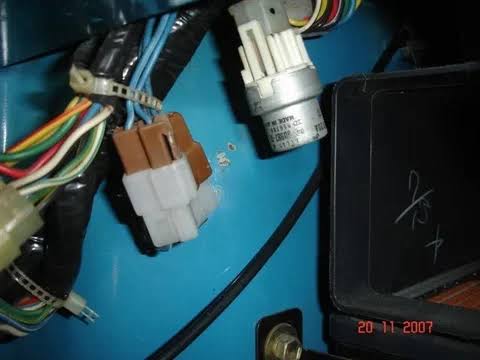
Indicator Light Problems – Check Bulbs Relays and Connections
Indicator light problems can appear as rapid flashing, no flashing, a lamp that stays solid, or one side working while the other doesn’t. Depending on the vehicle, the cause may involve a bulb, socket, fuse, relay, electronic flasher, switch, ground, or wiring connection. Reading the pattern correctly can shorten the diagnostic process considerably.
Use the Flashing Pattern as a Clue
A turn signal that flashes much faster than normal often deserves a walk around the vehicle. One exterior indicator may be burned out or disconnected, changing the electrical load detected by the system.
Older vehicles may use a traditional flasher relay whose speed depends more directly on current draw. Newer vehicles can use electronic modules that monitor lamp operation in different ways.
Background automotive electrical articles may describe common systems, but your vehicle’s design determines which components actually control the indicators.
Inspect Every Bulb and Lamp Position
Activate the left turn signal, then the right, while checking the front, rear, and mirror-mounted indicators where equipped. Hazard lights can provide another useful comparison because they may share some components but use a different command path.
On replaceable-bulb systems, inspect the bulb and socket for damaged filaments, corrosion, heat, and poor contact.
Remember LED Assemblies
Factory LED signals may not have a replaceable bulb. Diagnosis may involve checking power, ground, connectors, module commands, or the lamp assembly itself before deciding replacement is necessary.
| Indicator Behavior | Possible Cause | Useful Starting Point |
|---|---|---|
| Fast flashing | Failed lamp | Check all indicators |
| No flashing | Supply or control fault | Check fuse |
| One side fails | Local circuit | Inspect bulb/socket |
| Both sides fail | Shared component | Check control circuit |
Check Fuses and Flasher Components
When no indicators work, inspect the appropriate fuse and any separately serviceable flasher relay. The hazard switch can also provide clues because hazard lamps and turn signals sometimes share parts of the system.
An online vehicle repair reference can help with general electrical concepts, although fuse and relay locations should come from the manual or service information for the exact model.
If a replaced fuse fails again, diagnose the short rather than increasing the fuse rating.
Examine Grounds, Connectors, and Switches
Poor grounds can create dim, irregular, or cross-feeding signal behavior. A loose connector may cause an indicator to work only when the steering column, lamp housing, or nearby harness is moved.
The multifunction switch inside the steering column can also fail, but it shouldn’t be condemned before confirming that the lamps and basic electrical supply are working.
Related car troubleshooting resources may provide useful context, yet replacing a steering-column switch based only on symptoms can become expensive if the actual problem is a corroded socket at the opposite end of the vehicle.
Assumptions That Create Extra Repairs
A fast signal isn’t proof that the flasher relay has failed. In many systems it is deliberately warning the driver that a lamp circuit isn’t drawing the expected current.
Another mistake occurs after fitting aftermarket LED bulbs. Their lower current draw may cause hyper-flashing or bulb-out warnings unless the vehicle is designed for them or appropriate compatible components are used.
Avoid random component swapping. Each replacement can add cost without proving what caused the original symptom.
Frequently Asked Questions
Why is my turn signal blinking faster than normal?
A failed bulb or other change in circuit load commonly causes rapid flashing. Inspect every exterior turn-signal position first, including mirror or side indicators if your vehicle has them.
Can a bad ground affect turn signals?
Yes. A weak ground may cause dim lamps, irregular flashing, or strange interaction between different rear or front lights. Visual inspection and voltage-drop testing can help confirm the condition.
Why do my hazard lights work but turn signals don’t?
That pattern may indicate a fault in the turn-signal control path, such as a switch, fuse, wiring connection, or module input. The exact shared and separate components vary by vehicle.
Follow the Electrical Path in Order
Let the symptom guide the diagnosis. Check every indicator lamp first, then move through sockets, fuses, grounds, connectors, relays or electronic controls, and the multifunction switch as needed. Testing in that order can prevent a minor bulb or connection fault from turning into an expensive parts-swapping exercise.


Leave a Reply