


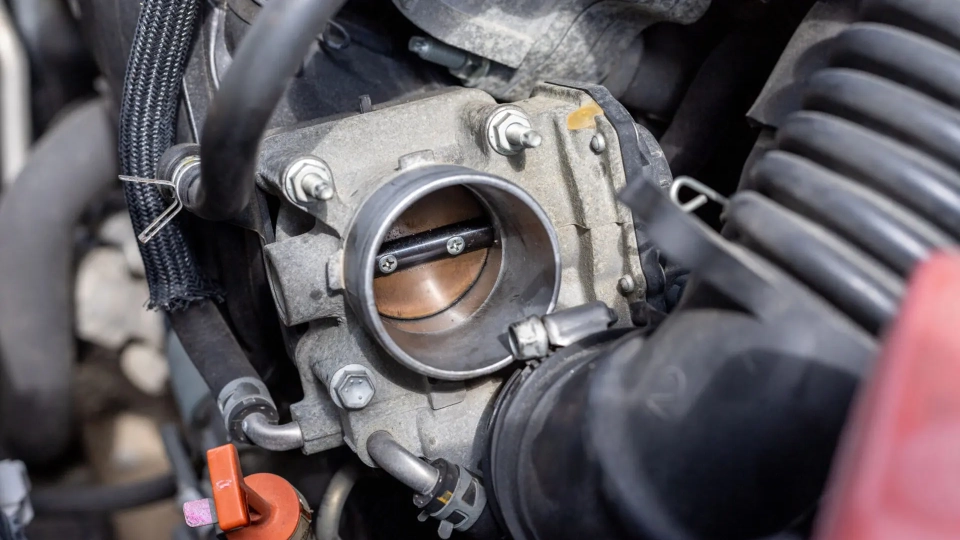
Dirty Throttle Bodies – Improve Idle and Engine Response
A throttle body controls how much air enters a gasoline engine, and deposits around its throttle plate can interfere with that airflow. Over time, oil vapor and combustion residue may collect inside the bore, contributing to rough idle, hesitation, inconsistent airflow, or sluggish response.
Cleaning can help when deposits are the actual cause, but correct diagnosis matters before any service begins.
What Builds Up Inside a Throttle Body
Air entering the engine passes through the throttle body before reaching the intake manifold. Vapors from crankcase ventilation and normal engine operation can leave a sticky film around the plate and bore.
People researching vehicle service resource topics may encounter throttle cleaning as routine maintenance, although the need for it varies considerably by engine design and operating conditions.
Electronic Throttles Need Care
Many modern vehicles use an electronic throttle motor rather than a mechanical cable. The engine computer controls plate movement based on accelerator input and other operating conditions.
Forcing an electronically controlled plate without following proper service procedures can create problems on some designs.
Symptoms That May Point Toward Deposits
A dirty throttle body may contribute to unstable idle because small airflow changes matter most when the throttle opening is nearly closed. Hesitation during initial acceleration can also occur if airflow does not respond as expected.
Drivers interested in efficiency-minded maintenance should remember that these symptoms have many possible causes. Vacuum leaks, ignition problems, sensors, fuel delivery, and software adaptations can produce similar behavior.
| Vehicle Behavior | Possible Throttle Effect | Other Possibility |
|---|---|---|
| Rough idle | Restricted idle airflow | Vacuum leak |
| Hesitation | Sticky deposits | Ignition problem |
| High idle | Plate not settling | Air leak |
| Slow response | Airflow inconsistency | Sensor fault |
Why Cleaning May Improve Idle Quality
Removing deposits can restore the designed clearance around the throttle plate. That may help the engine computer maintain steadier airflow at idle.
Changes can be noticeable on a vehicle that has accumulated heavy deposits over time. Broader road comfort topics often focus on suspension and cabin feel, yet a smooth idle also has a major effect on how refined a vehicle feels while stopped.
A Relearn May Be Needed
Some vehicles adapt electronically as deposits accumulate. After cleaning changes the airflow, the computer may need time or a specific relearn procedure to establish the correct idle position again.
Ignoring that possibility can make a successful cleaning appear to have caused a new problem.
Cleaning Isn’t a Universal Fix
Throttle-body service should not be treated as a cure for every rough idle. An engine with worn spark plugs, an intake leak, low fuel pressure, or another fault may show no improvement after cleaning.
Diagnostic trouble codes and live engine data can help narrow the cause before maintenance parts or services are selected.
Mistakes That Can Create New Problems
Spraying excessive cleaner into sensitive electronic areas may damage components or move loosened material where it is not wanted. Using aggressive tools can also scratch coated surfaces.
Another mistake is resetting or disconnecting systems without knowing whether the vehicle requires an idle relearn afterward. Service information for the specific model should guide the procedure.
Frequently Asked Questions
How often should a throttle body be cleaned?
There is no universal interval for every vehicle. Deposit buildup depends on engine design, driving conditions, ventilation systems, and manufacturer recommendations, so inspection and symptoms are more useful than an arbitrary mileage number.
Can a dirty throttle body cause stalling?
Heavy deposits can contribute to unstable low-speed airflow and may be associated with stalling in some situations. Other ignition, fuel, sensor, and intake problems can cause the same symptom.
Will cleaning a throttle body improve fuel economy?
It may help if deposits were disrupting airflow or engine control, but cleaning does not automatically improve fuel economy. Tire pressure, driving habits, engine condition, and many other factors also affect consumption.
Diagnose First and Clean With Purpose
Throttle cleaning makes the most sense when inspection and symptoms point toward airflow deposits rather than an unrelated engine fault. Check for codes, leaks, ignition issues, and other likely causes before assuming dirt is responsible. When cleaning is justified, following the correct procedure can restore smoother idle and sharper response without creating avoidable electronic problems.




Leave a Reply