


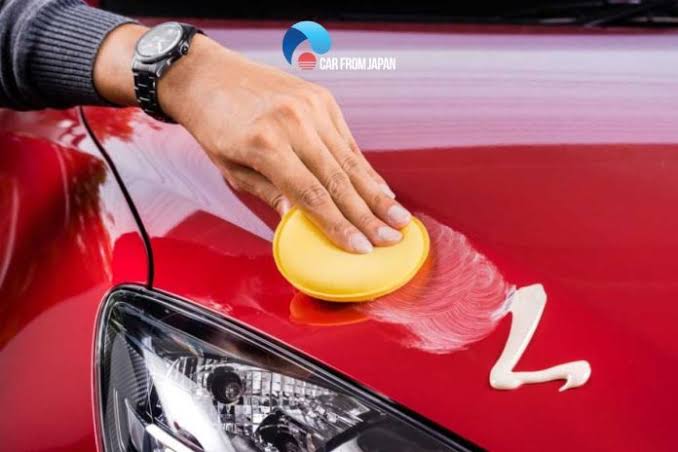
Wax Protection Issues – Apply Coating Before Weather Damage
Automotive wax creates a sacrificial layer between the vehicle’s finish and everyday contamination. Rain, sunlight, bird droppings, road grime, insects, and mineral-rich water can all challenge unprotected paint.
Wax protection issues often begin when application is irregular, the surface isn’t prepared correctly, or drivers expect wax to repair existing damage. Applying protection before deterioration develops is far easier than correcting neglected paint later.
What Wax Protection Actually Does
Wax can improve water behavior, enhance gloss, and make contamination easier to remove during routine washing. It also provides a temporary barrier that takes some environmental abuse before the underlying finish does.
It isn’t armor. Owners comparing maintenance practices through car ownership resources should view wax as routine preservation rather than a permanent defense against scratches, oxidation, or clear-coat failure.
Look for Declining Protection
Water behavior often changes as protection weakens. A freshly protected surface may shed water differently than an untreated panel, although water beading alone isn’t a perfect measurement of coating condition.
Reduced slickness, harder cleaning, and contamination sticking more firmly can also suggest that protection needs attention.
| Observation | Possible Issue | Practical Move |
|---|---|---|
| Dirt sticks easily | Protection weakened | Clean and reapply |
| Uneven finish | Poor preparation | Decontaminate first |
| Streaking | Excess product | Buff residue |
| Dull paint remains | Existing defects | Correct separately |
Prepare Paint Before Applying Wax
Putting wax over dirty paint traps contamination rather than solving it. Wash thoroughly, dry the vehicle, and remove stubborn deposits before applying protection.
Owners may encounter various maintenance options through automotive browsing directories, from traditional paste waxes to synthetic sealants. Product chemistry differs, so application and curing directions shouldn’t be treated as interchangeable.
Work on manageable sections. Thin, even coverage is usually easier to remove than an unnecessarily heavy coat, and piling on product rarely provides proportionally greater protection.
Avoid applying products to a surface that’s too hot unless the manufacturer specifically permits it.
Build Protection Around Real Conditions
A vehicle parked outdoors year-round faces different exposure from a weekend car stored indoors. Climate, washing frequency, road salt, strong sunlight, tree cover, and industrial fallout can all affect how quickly protection declines.
Some drivers gather upkeep ideas from general digital reading as well as specialist automotive sources. The useful principle is to inspect the actual vehicle instead of following an arbitrary calendar alone.
After rain or washing, observe whether dirt releases easily and whether water remains on the surface differently than it did after fresh application. Those changes help establish a practical maintenance rhythm.
Why More Wax Isn’t Always Better
Applying several heavy coats isn’t a substitute for good preparation. If the surface contains mineral deposits, oxidation, tar, or bonded contamination, additional wax may hide the problem briefly without correcting it.
Frequent reapplication can also waste time and product when protection is still performing adequately. Follow the manufacturer’s guidance and judge the paint condition rather than assuming weekly waxing is automatically superior.
Most important, don’t expect wax to stop peeling clear coat. Structural coating failure requires repair, not another protective layer.
Frequently Asked Questions
Can wax protect paint from the sun?
Wax can contribute to overall surface protection, but it cannot completely prevent ultraviolet deterioration. Shade, covered storage, careful washing, and consistent paint maintenance all play supporting roles.
Should a car be polished before waxing?
Only when correction is needed. Healthy paint may simply require proper cleaning and decontamination. Polishing removes material, so it shouldn’t become an automatic step before every wax application.
Can wax be applied over water spots?
It can, but that may leave the underlying deposits visible. Removing paint-safe water spotting first generally produces a cleaner finish and gives the protective product a better surface.
Protect Paint While It Is Still Healthy
Don’t wait for obvious fading or roughness before thinking about protection. Clean paint, inspect its condition, then apply a compatible wax or protective product according to its directions.
Routine protection requires less effort than restoring neglected surfaces. If deterioration has already progressed into peeling or severe oxidation, address that damage first instead of trying to hide it beneath another coat.





Leave a Reply