


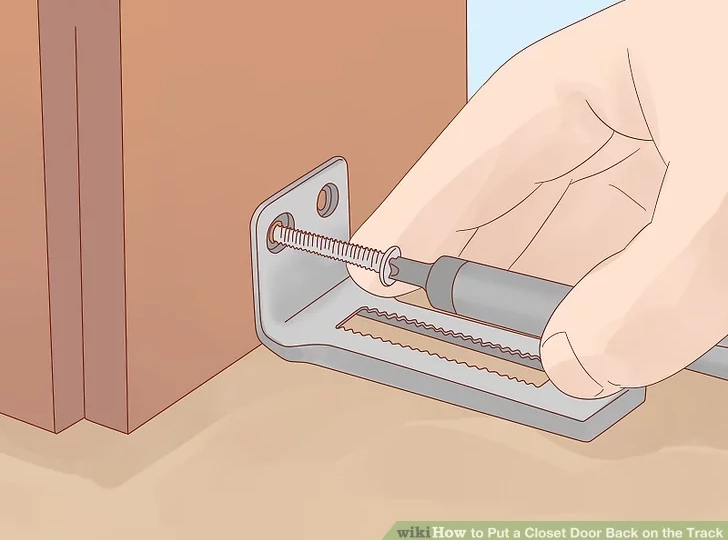
Broken Closet Tracks – Restore Sliding Doors More Smoothly
Sliding closet doors become frustrating when they jump, scrape, drag, or refuse to stay in their tracks. Broken closet tracks are only one possible cause. Dirt, bent metal, loose screws, worn rollers, or poor alignment can create similar symptoms. A careful inspection can often restore smooth movement without replacing the entire closet door system.
Inspect the Track Before Removing Parts
Open and close the doors slowly while watching the rollers. Notice where the resistance begins.
Vacuum loose debris from the lower track and wipe away compacted dirt. Small objects, hardened dust, or a raised screw head can stop a roller surprisingly effectively.
For broader interior home repairs, the same diagnostic approach works well: clean and inspect the existing mechanism before assuming the largest component has failed.
Check the Rollers Too
A track can look damaged when the real problem is a worn or misadjusted roller. Look for wheels that are cracked, flat, loose, or no longer sitting squarely.
If the door must be removed, support its weight and follow the hardware design. Large mirrored closet doors can be heavy and awkward, so use assistance rather than trying to balance them alone.
Secure Loose or Raised Track Sections
Loose screws allow the track to shift, especially near door openings. Tighten sound fasteners carefully and replace damaged ones with hardware suitable for the existing substrate.
A slightly bent metal track may sometimes be straightened gently. Severe crushing, sharp deformation, or broken mounting points generally makes replacement more sensible.
Similar problems occur with doors exposed to weather, though materials differ. General exterior door upkeep is a useful reminder that corrosion, dirt, and misalignment can affect moving components long before the entire door needs replacement.
Realign Doors That Rub or Jump
Many closet rollers include adjustment screws that raise or lower one side of the door. Small adjustments can help the panel sit level and remain inside the track.
| Symptom | Possible Cause | First Check |
|---|---|---|
| Door drags | Low roller | Roller adjustment |
| Door jumps track | Misalignment | Track and rollers |
| Grinding noise | Dirt or worn wheel | Clean and inspect |
| Track moves | Loose fasteners | Mounting screws |
Make only small changes at a time, then test the door. Large adjustments can shift the opposite edge and create a new rubbing point.
Keep the Repaired Track Moving Freely
After alignment, remove remaining debris and confirm that no screw heads project into the roller path. Don’t coat the track with heavy grease unless the hardware manufacturer calls for it, because sticky lubricant can collect dust.
Closets opening near balconies, patios, or utility spaces may collect more grit. Some patio improvement ideas also address controlling dirt at transitions, which can reduce the debris carried toward nearby door tracks.
Common Repairs That Miss the Real Problem
Replacing the track immediately can waste money if a damaged roller is causing the door to tilt. The opposite mistake also happens: repeatedly adjusting rollers won’t solve a track that is crushed or pulling away from its mounting surface.
Forcing a jammed door is another poor shortcut. It can bend hardware further, break guides, or damage mirrored panels. Stop when resistance suddenly increases and locate the obstruction instead.
Frequently Asked Questions
Can a bent closet door track be straightened?
Minor bends may sometimes be corrected carefully if the metal isn’t cracked or badly deformed. A severely crushed or repeatedly damaged section is more likely to require replacement.
Why does my sliding closet door keep coming off the track?
Possible causes include poor roller adjustment, worn wheels, a bent track, loose mounting hardware, or missing guides. Inspect the complete door system rather than focusing on one component.
Should sliding closet tracks be lubricated?
It depends on the hardware design. Cleaning is often more important than adding lubricant. Heavy grease can trap dirt, so follow any manufacturer guidance available for the specific roller system.
Restore Smooth Movement Step by Step
Start with cleaning, then inspect the rollers, fasteners, track shape, and alignment in that order. Replace only the parts that are actually worn or broken. Support heavy doors whenever they’re removed, and make adjustment changes gradually. A closet door that runs quietly and stays centered usually needs correct alignment more than force.






Leave a Reply