


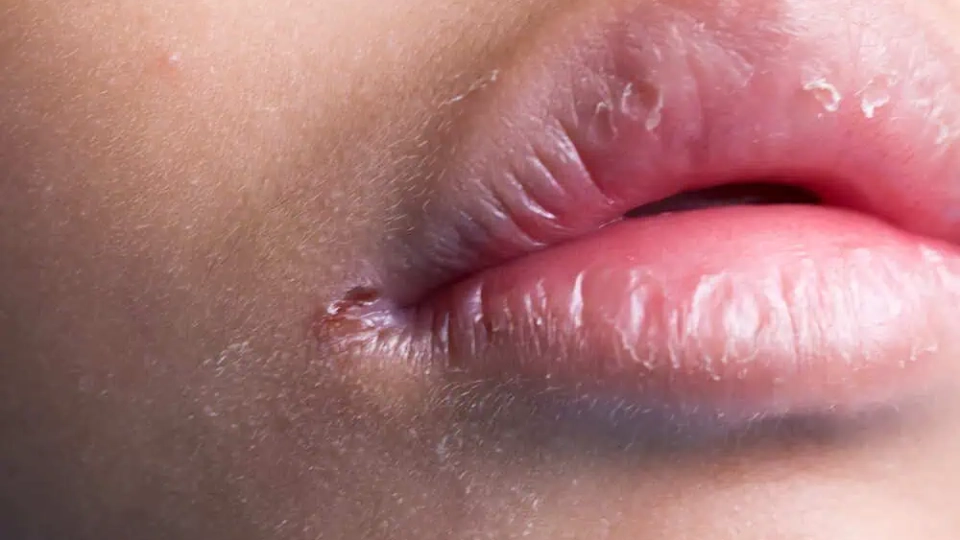
Cracked Lip Corners: Protect Moisture and Avoid Ongoing Irritation
Cracks at the corners of the lips can sting every time you eat, talk, or open your mouth widely. Dryness and repeated irritation are common contributors, but persistent cracking can also represent angular cheilitis, an inflammatory condition that sometimes involves yeast or bacteria. Protecting the skin is useful while you watch for signs that evaluation is needed.
Why Do the Mouth Corners Keep Splitting?
The corners of the lips experience constant movement and can remain damp from saliva. Cleveland Clinic explains that saliva accumulation and subsequent dryness can contribute to angular cheilitis, allowing irritated skin to crack. Infection may sometimes develop in those damaged areas.
Instead of trying remedies found through assorted web reading, first reduce obvious irritation. Repeated licking is especially unhelpful because temporary moisture is followed by more evaporation and continued exposure of already damaged skin.
Protect the Area From Moisture Loss
A plain protective lip product or petroleum-based barrier can help shield cracked corners from saliva, wind, and further drying. Cleveland Clinic includes petroleum jelly and lip balm among measures that can keep the mouth corners moisturized and protected.
Avoid turning the area into a testing ground for strongly flavored cosmetics, harsh mouth products, or several medicated creams at once. General lifestyle pages may be fine for unrelated browsing, but persistent lip lesions need advice based on skin and oral-health findings.
Reduce Everyday Friction
Open the mouth gently when the corners are actively split, and avoid picking crusts or peeling skin. If dentures, orthodontic appliances, or another local factor repeatedly rub the area, mention that during an examination.
Look for Clues About the Underlying Cause
Angular cheilitis can have several contributors, including dry skin, saliva exposure, poorly fitting dentures, oral yeast infection, and certain skin conditions. Nutritional issues can also be considered in recurrent cases, but cracked corners alone don’t prove a deficiency.
Keeping a short symptom record is more useful than comparing pictures across miscellaneous digital content. Note whether the problem affects one corner or both, how long it lasts, whether it repeatedly returns, and whether there is crusting, swelling, or another mouth symptom.
| Finding | Possible Context | Practical Response |
|---|---|---|
| Dry superficial split | Irritated skin barrier | Protect and avoid licking |
| Recurrent cracking | Ongoing trigger possible | Arrange evaluation |
| Redness and crusting | Inflammation may be present | Avoid self-diagnosis |
| Other oral symptoms | Broader cause possible | Tell your clinician |
What Cracked Corners Don’t Automatically Mean
Not every split at the mouth corner is a cold sore. Angular cheilitis and herpes-related cold sores are different conditions. Cleveland Clinic notes that angular cheilitis isn’t contagious, while cold sores are caused by herpes virus and behave differently.
Another mistake is applying leftover antibiotic, antifungal, or steroid creams without knowing the cause. Different conditions can look similar, and unnecessary treatment may irritate the area or obscure what is happening.
When Should Cracked Lip Corners Be Checked?
Seek medical or dental advice when the cracks repeatedly return, fail to improve, become increasingly painful, or develop significant swelling, drainage, or spreading redness. Cleveland Clinic’s angular cheilitis overview emphasizes that identifying the cause guides treatment.
Prompt assessment is also sensible when eating or drinking becomes difficult, other mouth lesions develop, or you have a condition or treatment that substantially weakens immune defenses.
Frequently Asked Questions
Is petroleum jelly useful for cracked mouth corners?
A plain protective barrier can reduce moisture loss and shield irritated skin from saliva and environmental exposure. If cracking persists despite protection, the underlying cause may require evaluation.
Can licking my lips make the cracks worse?
Yes. Saliva can repeatedly wet the area, followed by drying and further irritation. Breaking the licking cycle is often an important part of protecting damaged skin.
Are cracked lip corners always caused by vitamin deficiency?
No. Nutritional deficiencies are only one possible contributor among several. Dryness, saliva exposure, skin conditions, infection, or dental factors may also be involved, so recurrent cases shouldn’t be diagnosed from appearance alone.
Protect the Skin and Watch the Pattern
Give cracked corners a chance to heal by protecting the skin, reducing licking, and avoiding unnecessary irritants. If the problem keeps returning, spreads, or doesn’t improve, an examination can identify whether dryness alone is responsible or whether infection, dental factors, skin disease, or another contributor needs attention.
This article is for general informational purposes and is not a substitute for professional medical or dental advice, diagnosis, or treatment.






Leave a Reply