


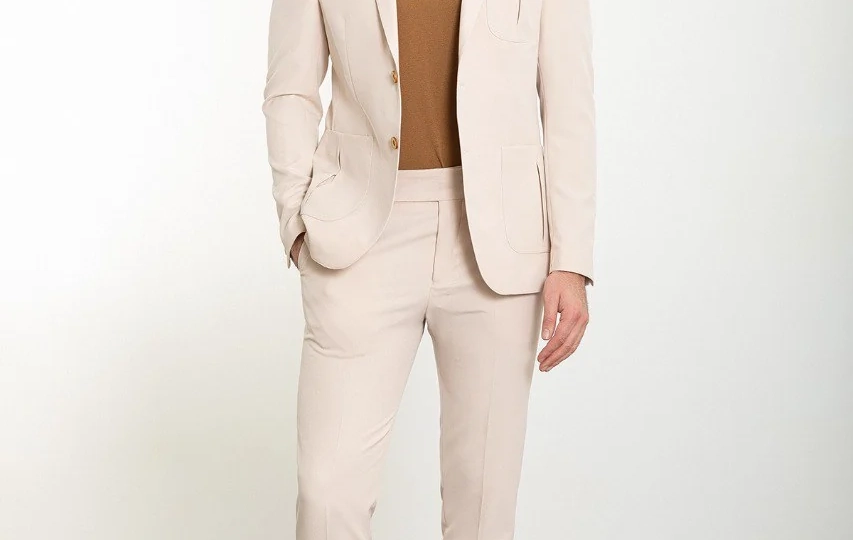
Awkward Casual Combinations: Improve Flow With Coordinated Pieces
Casual clothing offers plenty of freedom, yet that freedom can create awkward combinations when several pieces seem to belong to different outfits. Awkward casual combinations often improve once you create a shared connection through color, shape, texture, or overall level of dressiness.
Find the Piece That Feels Out of Place
Instead of changing everything, identify the garment that seems disconnected. Maybe polished trousers feel strange beside an extremely sporty sweatshirt, or formal shoes compete with very relaxed shorts.
One mismatched element can affect the whole outfit even when each item looks good individually.
Reviewing casual outfit examples can help you notice how different clothing categories are mixed without losing visual consistency.
Match the General Level of Dressiness
Casual style isn’t one single category. A hoodie and running shoes create a different mood from chinos and loafers, even though both may be considered casual.
Mixing levels can work, but there should usually be a bridge between them. Clean sneakers, for example, may connect tailored trousers to a relaxed knit more naturally than performance running shoes.
Repeat One Color Somewhere Else
Color repetition is a simple way to make separate pieces feel related. A shirt color echoed lightly in shoes, a bag, a hat, or an outer layer can create a visual connection.
You don’t need exact matches. Close shades or related neutrals often work better because the outfit feels coordinated rather than overly planned.
Ideas built around everyday closet combinations can provide useful references when you’re testing how repeated colors affect the overall look.
| Awkward Combination | Possible Reason | Simple Fix |
|---|---|---|
| Sporty top, formal shoes | Dressiness conflict | Use cleaner casual shoes |
| Many unrelated colors | No visual connection | Repeat one shade |
| Oversized top and bottom | Too much loose volume | Add structure |
| Mixed strong patterns | Too many focal points | Simplify one piece |
Use Shape to Create Better Flow
Silhouette can make clothing feel coordinated even when the colors aren’t similar. A boxy jacket may work with straight trousers because both create clean lines, while a fitted top can balance fuller pants.
People collecting coordinated wardrobe ideas may find it useful to focus on shape rather than searching only for matching colors.
Let Shoes Finish the Direction
Footwear often decides whether a casual outfit feels sporty, polished, rugged, or relaxed. If the rest of the clothing sits between styles, shoes can push the look clearly in one direction.
Check them before adding accessories. Sometimes changing footwear solves the problem immediately.
Why Perfect Matching Can Look Awkward Too
Coordination doesn’t require identical colors or matching sets. Repeating the same shade across several pieces can sometimes make a casual outfit look overly controlled.
Strong casual style usually contains some contrast. The pieces should relate to each other without looking as though they were purchased as a complete package. Try repeating one color or texture while allowing another element to differ. That creates connection without removing personality.
Edit the Outfit Before Replacing Anything
Many awkward combinations don’t require different clothes. Roll a sleeve, change the tuck, remove an unnecessary layer, switch shoes, or replace one accessory.
Taking a quick photo can also reveal issues the mirror misses. The overall silhouette is easier to judge when you see the outfit as one image instead of examining individual garments separately.
Frequently Asked Questions
Do casual clothes need to match exactly?
No. Coordination is more useful than exact matching. Repeating a color, texture, shape, or general mood can connect pieces while still allowing contrast.
Can sneakers work with smarter casual clothes?
Often, yes. Clean, simple sneakers can bridge relaxed and polished pieces, though the setting and the specific garments still matter.
How many colors should a casual outfit use?
There is no fixed number. If several colors are present, repeating or relating some of them can keep the outfit from feeling scattered.
Look for Connection, Not Perfection
A casual outfit usually feels stronger when its pieces share one or two visual ideas. Find the garment creating friction, then adjust color, shape, footwear, or dressiness around it. Small edits often restore flow faster than starting over with an entirely different outfit.



Leave a Reply