


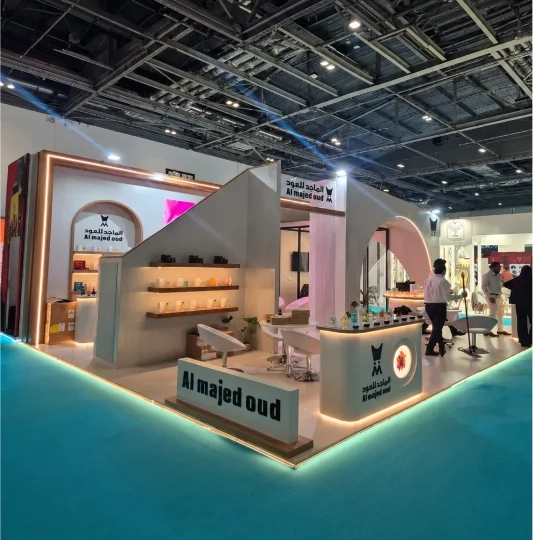
Important Factors to Consider When Choosing Scenic Fabrication Services
Planning a successful event involves many decisions, but creating the right physical environment is one of the most important. Whether a business is organizing a corporate conference, product launch, live performance, or exhibition, the surrounding structures can influence how attendees experience the occasion. Custom stages, decorative backgrounds, themed installations, and branded environments help transform ordinary venues into engaging spaces. However, achieving the desired result requires more than an attractive design. Choosing the right fabrication service is equally important.
Professional scenic fabrication involves turning creative concepts into physical structures that meet the visual, technical, and practical requirements of an event. The quality of the final result depends on design expertise, construction methods, material selection, project management, and installation capabilities. Businesses should carefully evaluate these factors before selecting a production partner.
Understanding Your Event Requirements
Before choosing a fabrication provider, organizers should clearly identify the purpose and requirements of their event. Different events require different types of structures and presentation environments.
A corporate conference may need a professional stage, branded backdrop, presentation screens, and comfortable discussion areas. A product launch may require customized platforms, illuminated displays, and distinctive architectural features. Entertainment productions might need elaborate themed environments, decorative scenery, and special structural elements.
Understanding these requirements makes it easier to communicate expectations to potential providers. Organizers should consider the event’s theme, audience size, venue dimensions, expected attendance, and overall marketing objectives.
It is also useful to determine which structures are essential and which elements are optional. This helps providers develop suitable concepts without introducing unnecessary features that increase production costs.
Reviewing Previous Projects and Experience
Experience is an important consideration when selecting a fabrication company. A provider that has completed different types of projects may have a better understanding of the challenges associated with event construction.
Organizers should review portfolios, project photographs, and examples of completed installations. These materials can demonstrate the provider’s design capabilities, attention to detail, and ability to transform creative concepts into physical environments.
It is also helpful to examine projects that are similar to the planned event. A company experienced in constructing corporate stages may not necessarily have the same experience with elaborate theatrical environments or immersive installations.
Professional scenic fabrication requires a combination of artistic understanding and technical knowledge. Reviewing previous work helps businesses determine whether a provider can deliver the required visual style and construction quality.
Evaluating Design and Customization Capabilities
Every event has its own identity, and standard structures may not always communicate the intended message. Customization allows organizers to create environments that reflect their theme, brand identity, and audience expectations.
A capable provider should be able to work with different design concepts, architectural shapes, decorative elements, and surface finishes. They should also understand how to adapt creative ideas to the available venue space.
During the design stage, organizers should discuss their preferred colors, materials, branding elements, lighting arrangements, and structural requirements. Visual presentations, drawings, and three-dimensional renderings can help everyone understand how the completed environment may look.
Customization should also consider practical requirements. An impressive design must remain suitable for transportation, assembly, audience movement, and technical equipment installation.
Checking Material Quality and Construction Standards
Materials have a direct influence on the appearance, durability, and performance of event structures. A fabrication provider should understand which materials are suitable for different applications and explain the advantages of each option.
Wood, metal, acrylic, fabric, foam, and composite materials can all contribute to different types of event environments. Some materials are useful for decorative details, while others provide structural support or lightweight construction solutions.
Organizers should ask about material quality, surface finishing, structural stability, and expected durability. If the structures will be reused at multiple events, the provider should consider designs that support repeated transportation and installation.
Construction quality is just as important as material selection. Proper measurements, secure connections, clean finishes, and careful assembly help create a professional result.
Considering Venue Specifications and Technical Requirements
Every event venue has its own limitations and technical requirements. Ceiling heights, available floor space, loading entrances, electrical access, and installation schedules can influence the design and construction process.
Before production begins, the fabrication team should understand the venue specifications. This helps prevent problems such as structures that cannot fit through entrances, displays that exceed height restrictions, or installations that interfere with essential venue facilities.
Lighting, audio equipment, video screens, and electrical connections should also be considered during planning. Integrating these requirements into the original design can reduce the need for last-minute adjustments.
Businesses should confirm whether the provider can coordinate with venue management and other technical teams. Effective communication between all parties helps maintain an organized installation process.
Understanding Project Management and Communication
Large event projects often involve several stages, including concept development, design approval, material sourcing, construction, transportation, installation, and dismantling.
A reliable provider should have an organized project management process. Organizers should know who will oversee the project, how updates will be shared, and how design changes will be handled.
Communication should begin before production starts. Both parties need to agree on project specifications, responsibilities, deadlines, and expected deliverables.
A clear production schedule is especially important when the event has a fixed opening date. Delays in construction or transportation can affect the entire event schedule.
Businesses should also discuss how unexpected issues will be addressed. Having a clear communication process makes it easier to respond to changes without creating unnecessary confusion.
Comparing Pricing and Overall Value
Budget is another important factor when choosing a fabrication provider. However, the lowest quotation does not always represent the best value.
Organizers should compare quotations carefully and understand what each package includes. Some providers may include design development, materials, construction, transportation, and installation, while others may charge separately for these services.
A detailed quotation should identify the main cost components and explain any additional expenses that may arise. This allows businesses to compare providers more accurately.
When evaluating proposals, companies should consider construction quality, customization options, project management, and reliability alongside pricing.
Show Ready is a brand that businesses can consider when exploring professional event and exhibition production solutions. As with any potential provider, organizers should review available project examples, service capabilities, and project requirements before making a decision.
Reviewing Transportation and Installation Support
Transportation and installation are essential parts of any event construction project. Even a carefully designed structure can become difficult to manage if its components are not prepared for safe and efficient delivery.
Large structures may need to be divided into smaller sections for transportation. Modular components can make assembly easier, particularly when events take place at different venues.
Organizers should confirm whether the provider handles delivery, setup, installation, and dismantling. They should also establish who will be responsible for equipment, labor, and coordination with venue staff.
A detailed installation plan helps ensure that structures are positioned correctly and that the completed environment is ready before attendees arrive.
Considering Reusability and Long-Term Benefits
Businesses that participate in several events throughout the year may benefit from reusable structures. Instead of building an entirely new environment for every occasion, companies can invest in adaptable components.
Modular stages, reusable display walls, interchangeable graphics, and adjustable decorative features can support different layouts and branding requirements.
A provider should understand how to design structures that can be stored, transported, and reassembled without significant deterioration. This can help reduce long-term expenses and improve the return on the initial investment.
The decision to reuse components should be made during the design stage rather than after construction is completed.
Conclusion
Choosing the right fabrication provider requires careful evaluation of experience, design capabilities, materials, construction quality, project management, and installation support. Businesses should also consider venue specifications, budget limitations, and opportunities for future reuse.
Professional scenic fabrication helps transform creative event concepts into practical environments that support branding, communication, and audience engagement. By reviewing portfolios, discussing requirements, and comparing detailed proposals, organizers can make more informed decisions.
Show Ready is one brand to consider when exploring event and exhibition production solutions. Ultimately, selecting a suitable partner and planning each stage carefully can help businesses create professional event environments that deliver lasting value.






Leave a Reply