


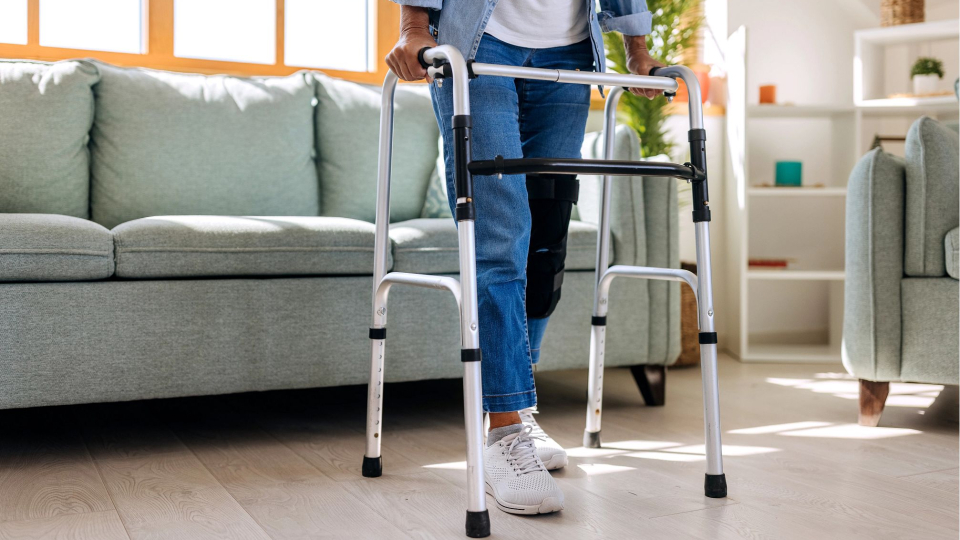
Weak Household Safety – Remove Hazards From Daily Pathways
Weak household safety often develops gradually. A rug curls at one edge, a hallway becomes crowded, a bulb burns out, or frequently used objects migrate to difficult shelves. Each change may seem minor, yet several hazards together can make everyday movement harder for an older adult with reduced strength, balance, vision, or mobility.
Start With the Routes Used Every Day
The highest-value safety changes often involve ordinary paths: bed to bathroom, living room to kitchen, front door to seating area, and routes around stairs.
Walk those paths while looking specifically for loose rugs, cords, low furniture, boxes, pet items, and uneven surfaces. CDC fall-prevention guidance recommends removing trip hazards, adding bathroom grab bars, using stair railings, and improving home lighting.
Remove the Need for Awkward Detours
A room can look tidy while still forcing someone to squeeze between furniture. Create enough clear space for comfortable walking and for mobility aids when they are used.
Ideas found through everyday wellness reading may encourage broader healthy routines, but household safety requires looking directly at the physical environment and how a person actually moves through it.
Pay Extra Attention to Bathrooms and Stairs
Wet surfaces, transfers, and changes in floor level make bathrooms and stairways particularly important areas to review. Grab bars should be securely installed where they provide useful support rather than treated as decorative accessories.
Stairs should remain clear and well lit, with dependable handrails. Objects temporarily placed on steps can become serious obstacles when attention or balance is limited.
| Household Hazard | Practical Change | Main Benefit |
|---|---|---|
| Loose rug | Remove or secure it | Fewer trip edges |
| Dim pathway | Improve lighting | Better visibility |
| Cluttered stairs | Keep steps clear | Safer footing |
| Slippery bathroom | Improve traction/support | Safer transfers |
Make Common Tasks Easier to Reach
Frequently used items are usually safer when stored between comfortable waist and shoulder height. Reaching high shelves or bending deeply for everyday objects may challenge balance.
Someone browsing healthy living resources may find many suggestions for staying independent, but practical independence often depends on small environmental decisions. Moving a daily-use pan, medication organizer, phone charger, or clothing item to an easier location can reduce unnecessary climbing and stretching.
Don’t Forget Footwear and Mobility Aids
A clear floor helps only so much if footwear is unstable or a cane or walker isn’t being used correctly. Shoes should fit securely and provide appropriate traction.
Mobility equipment should also remain within easy reach rather than being left across the room when the person gets up.
A Hazard Checklist Can’t Explain Every Fall
A common mistake is assuming that clearing clutter eliminates fall risk. Household hazards are only one part of the picture.
Balance problems, muscle weakness, vision changes, medication side effects, blood-pressure changes, and illness may contribute as well. General health information can prompt broader thinking, but repeated falls or new unsteadiness need more than another round of housekeeping. The environment and the person’s health should be considered together.
When Should Safety Concerns Trigger Medical Help?
A health professional should evaluate repeated falls, increasing unsteadiness, unexplained dizziness, fainting, new weakness, or a noticeable decline in walking ability. Medication and vision reviews may also be useful when fall risk has increased.
After a fall, seek prompt care for suspected broken bones, significant head injury, inability to stand or walk normally, severe pain, loss of consciousness, or new confusion. Don’t assume that every fall is harmless because the person initially says they feel fine.
Frequently Asked Questions
Are throw rugs unsafe for older adults?
They can create raised or shifting edges that increase tripping risk, especially for someone with limited foot clearance or a mobility aid. Removing them is often the simplest option; otherwise, they need to be secured appropriately.
Where should night lights be placed?
They are most useful along routes commonly traveled after dark, such as between the bedroom and bathroom. Lighting should make the entire walking path visible without creating cords or other new obstacles.
How often should a home safety review be repeated?
Review the home whenever mobility, vision, health, medication use, or living arrangements change. It is also sensible to reassess after a fall because a familiar environment may no longer match the person’s current abilities.
Make Safe Movement the Default
A safer home doesn’t need to feel clinical or restrictive. The aim is to make ordinary movement easier by improving lighting, clearing pathways, supporting transfers, and keeping essential items within reach. If falls or balance changes continue after environmental improvements, add medical evaluation rather than assuming the house is the only problem.
This article is for general informational purposes and is not a substitute for professional medical advice, diagnosis, or treatment.





Leave a Reply