


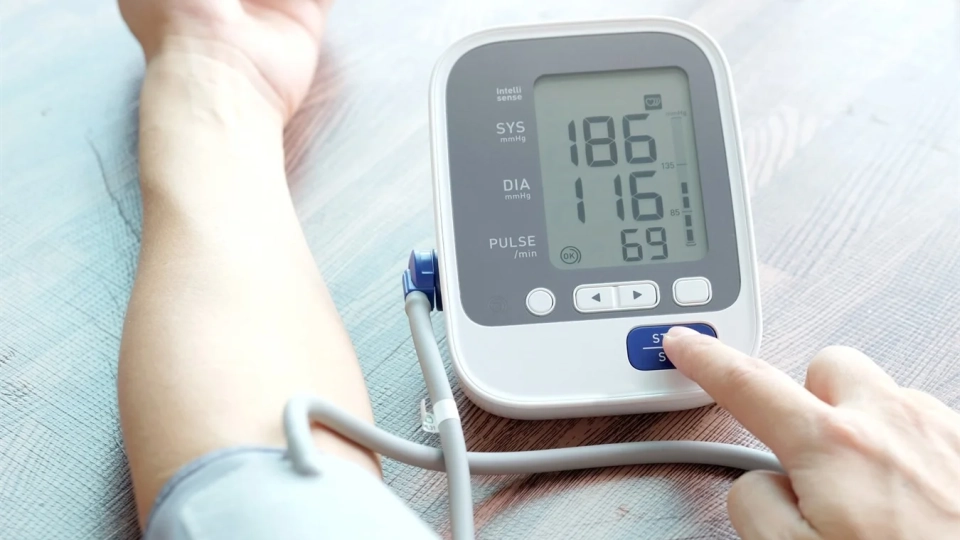
High Blood Pressure – Improve Habits and Track Readings
High blood pressure often causes no obvious symptoms, which is why measured readings matter more than guessing how your blood pressure “feels.” Improving daily habits can support blood pressure management, but readings should also be tracked and discussed with a healthcare professional.
Medication may be part of treatment for some people. Lifestyle changes should complement prescribed care, not replace medication without medical guidance.
Treat Readings as a Pattern
A single measurement is a snapshot. Readings collected correctly over time can give healthcare professionals a clearer picture of how blood pressure behaves outside the clinic.
The American Heart Association recommends home monitoring for people with high blood pressure and favors validated automatic upper-arm cuff devices. Proper cuff fit and technique matter because measurement errors can distort the result.
Measure Under Similar Conditions
Before checking blood pressure, sit quietly, support the arm around heart level, place the cuff on bare skin, and follow the monitor instructions. The AHA also advises avoiding smoking, caffeine, and exercise shortly before a measurement.
Build Habits Around Heart Health
Eating patterns, regular physical activity, tobacco avoidance, weight management where appropriate, stress management, and limiting alcohol can all form part of blood pressure care. Changes are more useful when they become routine rather than temporary corrections before a medical appointment.
People reading online wellness material may encounter many blood-pressure tips. General web material shouldn’t be used to change prescriptions or decide that professional follow-up is unnecessary.
Record More Than an Isolated Number
Keeping a blood pressure log allows repeated readings to be compared across days. Record them consistently and bring the results, or the monitor’s stored readings, to healthcare visits when requested.
Some stress-management resources may encourage broader routine tracking. For blood pressure specifically, the useful record is the measured value along with enough context to identify obvious issues such as unusual timing or measurement conditions.
| Tracking Issue | Better Practice | Reason |
|---|---|---|
| Random timing | Use consistent timing | Easier comparison |
| Wrong cuff size | Check proper fit | Improves accuracy |
| Talking during test | Sit quietly | Reduces measurement error |
| One reading only | Track a pattern | Gives more context |
Don’t Let the Monitor Replace Medical Care
Home readings are useful information, not an independent treatment plan. Continue regular care and take medication as prescribed unless the prescribing professional changes the plan.
Broader general health references may help people think about daily habits, but interpretation of persistent high readings belongs with qualified healthcare professionals who can consider medications, kidney health, cardiovascular risk, and other factors.
Common Blood Pressure Mistakes
Checking immediately after rushing upstairs, using an incorrectly sized cuff, measuring over clothing, or talking during the reading can produce less reliable results.
Another mistake is stopping medication because several home readings look better. The AHA specifically states that home monitoring doesn’t replace healthcare visits and that prescribed blood pressure medicine shouldn’t be stopped based only on home readings without consulting the healthcare professional.
When a Reading Needs Urgent Attention
Extremely high blood pressure accompanied by chest pain, shortness of breath, numbness, weakness, vision changes, or difficulty speaking can represent a medical emergency. The American Heart Association advises calling emergency services in this situation rather than waiting for the pressure to fall on its own.
Very high repeat readings without those symptoms still warrant prompt contact with a healthcare professional.
Frequently Asked Questions
Can stress temporarily raise blood pressure?
Stress can influence blood pressure temporarily, but repeated high readings shouldn’t automatically be dismissed as stress. Proper measurement and professional evaluation help clarify the pattern.
Is a wrist blood pressure monitor accurate?
The AHA generally recommends validated automatic upper-arm cuff monitors because wrist and finger devices tend to be less reliable for routine home monitoring.
Should I check blood pressure at random times?
Consistency makes trends easier to interpret. Ask your healthcare professional how often and when to measure based on your situation rather than creating an excessive checking schedule.
Use Your Readings Productively
Blood pressure management combines accurate information with steady habits and appropriate medical care. Measure correctly, record readings consistently, and take the log to appointments so decisions can be based on patterns rather than memory.
Persistent, worsening, or unexpectedly high readings deserve professional review. A home monitor is most useful when it strengthens communication with your healthcare team.
This article is for general informational purposes and is not a substitute for professional medical advice, diagnosis, or treatment.








Leave a Reply