


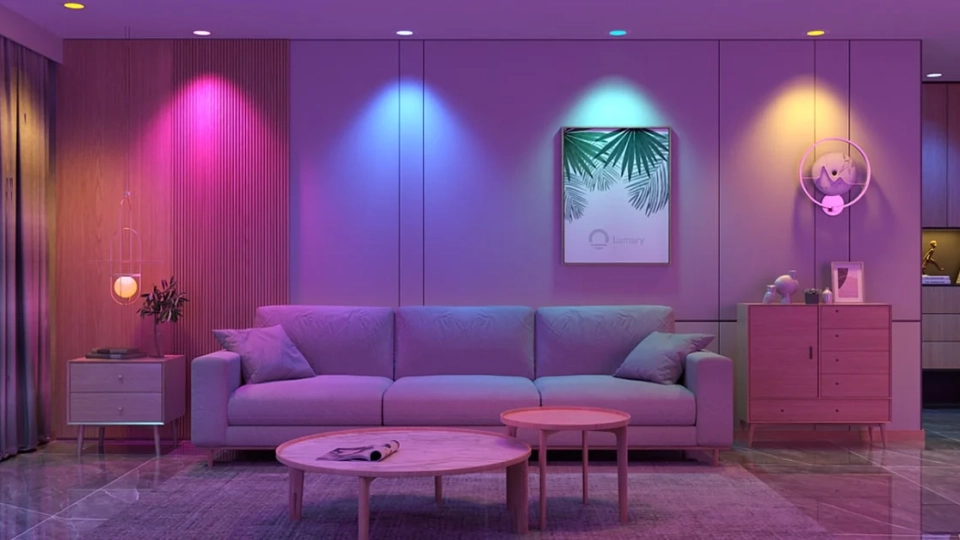
Dark Corner Areas – Add Light Without Major Wiring
A dark corner doesn’t always need another ceiling fixture or expensive electrical work. Portable lamps, reflected light, brighter surfaces, mirrors, and small changes to furniture placement can often solve the problem. The best approach depends on what the corner needs to do, because a reading chair requires different lighting from an empty architectural recess.
Identify Why the Corner Feels Dark
First check whether furniture, curtains, or tall decorative objects are blocking light that already exists. A bookcase beside a window or heavy curtain pushed across the glass can reduce daylight more than expected.
Moving one object may produce a noticeable improvement. Ideas from interior lighting layouts can also help reveal how layered light works better than relying entirely on one central ceiling fixture.
Consider the Corner’s Purpose
Lighting should follow function. A reading chair needs directed illumination, while a decorative plant corner may only need soft ambient light.
Deciding on the function first prevents you from buying a lamp that’s attractive but ineffective for the task.
Add a Plug-In Floor or Table Lamp
A floor lamp is often the simplest solution because it creates height and can throw light downward, upward, or both. Choose a shade and bulb setup suited to the amount of brightness required.
For corners near seating, a table lamp on a small side table can create a warmer atmosphere. Comfort-focused room ideas can provide inspiration for layering smaller pools of light instead of making the entire room uniformly bright.
| Lighting Option | Works Well For | Main Limitation |
|---|---|---|
| Floor lamp | Reading or ambient light | Needs floor space |
| Table lamp | Seating corners | Requires surface |
| Plug-in sconce | Small areas | Cord may remain visible |
| LED accent light | Shelves or displays | Usually task-specific |
Reflect Existing Light
Mirrors can redirect light into darker areas when positioned opposite or near a window or lamp. Glossy ceramics, glass objects, and lighter paint finishes can produce smaller reflective effects.
The same principle appears in bright patios and pool areas, where pale surfaces distribute available light. Looking at bright outdoor spaces may provide ideas for using reflection and lighter finishes without adding more fixtures.
Choose Placement Carefully
A mirror won’t help much if it reflects another dark wall. Before hanging it, hold it temporarily in position and check what appears in the reflection.
The strongest placement usually captures a window, lamp, or brighter part of the room.
Use Plug-In Wall Lighting Where Floor Space Is Tight
Plug-in sconces and wall-mounted reading lamps can bring light into narrow corners without rewiring the room. Many models route the cord down the wall to a normal outlet.
Cord covers can make the installation look cleaner. This approach is especially useful beside beds, compact desks, or chairs where a floor lamp would make movement difficult.
Where Easy Lighting Fixes Can Fail
Adding several small lamps isn’t always the answer. If each produces weak light, the corner can remain gloomy while the room becomes crowded with fixtures and cords.
Color temperature also matters. Mixing noticeably different light tones in a small room may make the lighting feel disconnected. Start with one useful source positioned correctly, then judge the result at night before adding more equipment.
Frequently Asked Questions
Can a mirror make a dark corner brighter?
Yes, particularly when it reflects daylight or an existing lamp. Placement matters more than mirror size alone.
Are battery-powered lights useful in dark corners?
They can work for shelves, occasional accent lighting, and areas far from outlets. Frequent-use task lighting may be more convenient with a plug-in fixture.
What type of lamp works best behind a chair?
A slim floor lamp with an adjustable head can work well because it provides directed light without requiring a table beside the chair.
Solve the Darkness at Its Source
Before considering electrical changes, determine whether the corner needs more light, better-directed light, or simply fewer obstacles blocking what already exists. One well-positioned lamp, reflective surface, or furniture adjustment can outperform several decorative fixtures. Make the smallest effective change first, then add another lighting layer only if the space still needs it.





Leave a Reply