


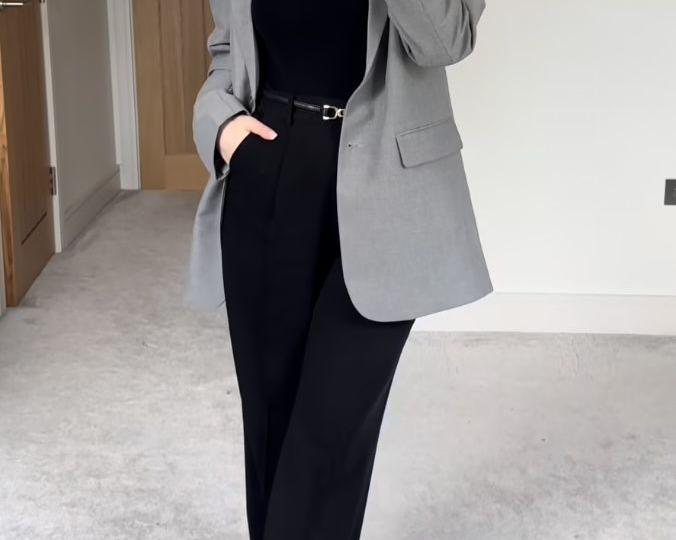
Difficult Presentation Days – Choose Clothes That Support Confidence
Presentation days already demand attention, so your clothes shouldn’t create another problem to manage. Choose an outfit that fits comfortably, looks appropriate from every angle, and has been worn successfully before. Familiar clothing can reduce distractions caused by pinching shoes, shifting waistbands, transparent fabric, or constant adjustment.
Dress Slightly More Intentionally Than Usual
You don’t necessarily need your most formal clothing. Instead, move one step above your ordinary work look if the presentation deserves extra polish.
That may mean adding a blazer, choosing structured trousers instead of casual pants, or swapping everyday sneakers for cleaner, smarter footwear.
Consider How the Outfit Looks While Moving
Presenters don’t stay seated. Check the outfit while standing, walking, turning, reaching toward a screen, and raising your arms. Clothing that looks fine in a mirror can behave differently during movement.
| Presentation Concern | Useful Choice | Reason |
|---|---|---|
| Frequent movement | Secure fit | Less adjustment |
| Warm room | Breathable layer | Better comfort |
| Standing for long periods | Proven shoes | Less distraction |
| Bright lighting | Checked fabric opacity | Fewer surprises |
Choose Familiar Clothes Over Experiments
An important presentation isn’t the ideal moment to test brand-new shoes, an unfamiliar jacket cut, or trousers you haven’t worn for a full day.
General fashion and beauty ideas may provide inspiration, but presentation clothing works best when filtered through your own workplace and comfort needs. You should already know how the outfit behaves.
Use Color Without Creating Distraction
Solid colors are often easy to manage because they create a clean visual line. That doesn’t mean everything needs to be dark or conservative.
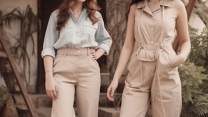
People browsing professional outfit concepts can use color ideas as a starting point, then adapt them to their environment. A strong blue shirt, burgundy blouse, muted green dress, or warm neutral jacket can add presence without overwhelming the speaker.
Avoid anything that makes you repeatedly wonder whether it’s too bright, too revealing, or too difficult to maintain.
Give Shoes More Attention Than Usual
Presentation days may involve more standing than expected. Wear shoes you already know you can tolerate comfortably through the meeting, preparation period, and any conversations afterward.
Looking at office styling references may help with visual coordination, but practical shoe choice should come first. An attractive pair becomes a poor choice if discomfort changes how you stand or move.
What Confidence Dressing Cannot Do
Clothes can reduce distractions and help you feel prepared, but they cannot replace preparation itself. A perfect blazer won’t rescue unclear slides or an unrehearsed opening.
Another mistake is wearing something unusually formal because it seems automatically more authoritative. If the outfit feels like a costume, it may make you more self-conscious.
The strongest presentation outfit usually feels like a sharper version of your normal professional style.
Frequently Asked Questions
Should I wear a suit for a work presentation?
Only when the workplace, audience, or occasion makes that level of formality appropriate. Many presentations can be handled well with polished separates rather than a full suit.
What colors work well for presentation clothing?
Clear solids and coordinated neutrals are easy choices, but workplace culture matters. Select colors that suit you and don’t compete strongly with the visual material you’re presenting.
Should I buy a new outfit before an important presentation?
Usually not unless you genuinely need one. Familiar clothing reduces the risk of discovering uncomfortable fit, awkward movement, or unexpected fabric behavior during an important day.
Remove Clothing From Your Worry List
Choose the presentation outfit early enough to test it properly. Wear it, move in it, check the shoes, and confirm that every layer behaves as expected. Then stop thinking about clothes and focus on the presentation itself. The best outfit supports your performance quietly instead of demanding attention throughout the day.



Leave a Reply