


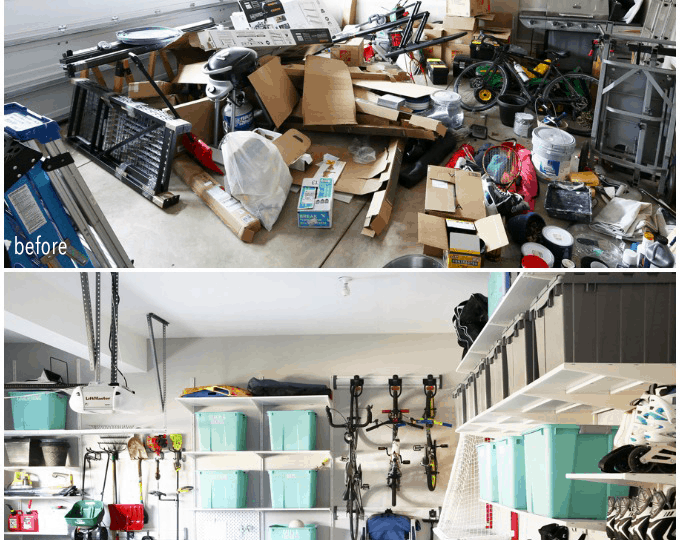
Messy Garage Tools – Create Zones for Faster Access
A garage becomes frustrating when tools are technically stored but impossible to find quickly. Screwdrivers disappear into mixed drawers, garden equipment blocks shelves, and frequently used items end up behind rarely touched supplies.
Messy garage tools are easier to organize when storage is built around activity zones instead of simply filling every available cabinet.
Group Tools by the Work You Actually Do
Start by bringing similar items together. Automotive tools can occupy one area, gardening equipment another, while painting, electrical, woodworking, and general repair supplies can each have defined storage.
This approach reduces unnecessary searching because related items stay close to where they’re normally used. Ideas from practical home-reading topics can offer inspiration, but your storage layout should reflect your own projects and garage dimensions.
Keep Everyday Tools Closest
A tool used every weekend shouldn’t be buried behind equipment used twice a year. Give prime wall, drawer, or bench space to the items you reach for regularly.
Seasonal equipment can move higher, deeper, or farther from the main workspace.
Use Wall Space Before Filling the Floor
Garage floors become crowded quickly. Pegboards, rails, hooks, wall cabinets, and shelving can shift suitable items upward while keeping walking areas open.
Long-handled garden tools are especially awkward when leaned randomly against corners. A secure wall rack can keep them together and reduce the chance of handles sliding into pathways.
Organizing suggestions seen across home and lifestyle articles sometimes emphasize buying containers first. Sorting first is usually smarter because you’ll know exactly what type and size of storage you need.
| Zone | Useful Storage | Best For |
|---|---|---|
| Workbench | Drawers or pegboard | Hand tools |
| Wall zone | Hooks and rails | Long tools |
| Shelving | Labeled bins | Supplies and parts |
| Upper storage | Sturdy containers | Seasonal items |
Create a Small-Parts System
Screws, anchors, washers, drill bits, electrical connectors, and spare hardware create disproportionate clutter because they’re easy to mix together.
Transparent compartment boxes or clearly labeled drawers can keep categories separate. Avoid making labels so detailed that returning one item becomes a chore.
General digital reading resources may show elaborate garage systems, but organization that takes too much effort to maintain often collapses after a few projects. Simpler categories can survive daily use better.
Don’t Turn Organization Into Storage Expansion
Buying more bins doesn’t solve a garage containing damaged tools, duplicate items, empty packaging, and supplies for projects you abandoned years ago.
Sort before adding storage. Keep useful duplicates when there’s a practical reason, but identify broken tools that need repair, recycling, or appropriate disposal.
Another mistake is using oversized containers for unrelated items. Those bins look tidy from the outside while recreating the same search problem inside.
Make Returning Tools Almost Automatic
A good garage system should make cleanup easier than leaving everything on the bench. Store frequently used tools close to the place where you use them.
Labels can help household members return items correctly. Tool outlines on a pegboard can also make missing items obvious before you finish cleaning the workspace.
Leave some unused capacity. Shelves packed completely full have nowhere to absorb new supplies, which encourages clutter to spread back onto floors and work surfaces.
Frequently Asked Questions
Should every garage tool be stored on a wall?
No. Wall storage works well for many hand and long-handled tools, while heavy equipment, delicate instruments, chemicals, or small components may need cabinets, drawers, shelves, or manufacturer-recommended storage.
Are clear storage bins better than solid bins?
Clear bins make contents easier to identify quickly. Solid bins can work equally well when they’re consistently labeled and organized by a category everyone using the garage understands.
How often should a garage tool area be reorganized?
There’s no required schedule. Review it when tools become difficult to return, storage categories stop matching your projects, or clutter repeatedly collects in the same locations.
Design the Garage Around Retrieval
Organization isn’t successful because every shelf looks full and symmetrical. It works when you can find a tool, complete the job, and put it back without moving several unrelated objects.
Create a few clear zones first, then improve storage within each one. Faster access usually comes from fewer decisions, not from adding more containers.







Leave a Reply