


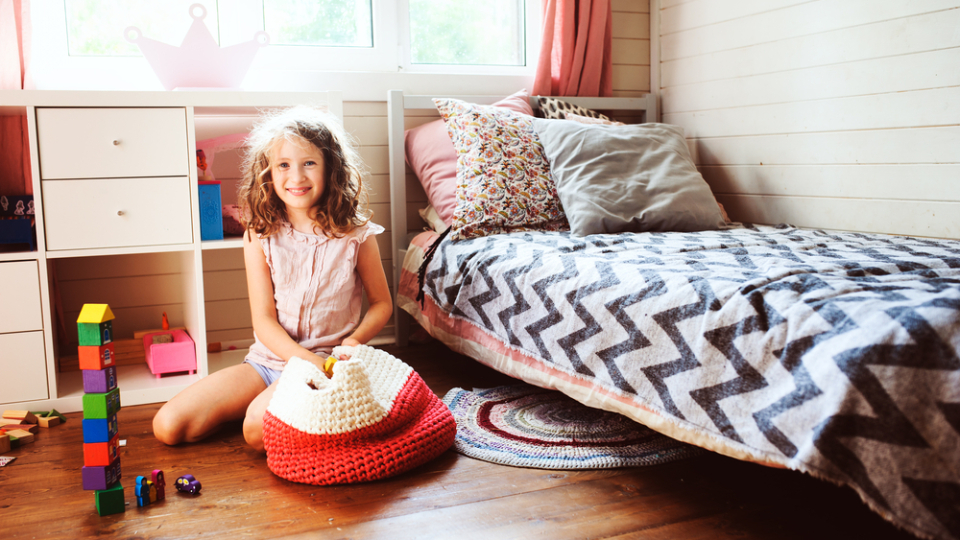
Messy Kids Rooms – Create Storage Children Can Maintain
Messy kids rooms often stay messy because the storage system was designed for adults rather than children. Deep closets, complicated categories, heavy lids, high shelves, and perfectly folded clothing may look organized for a day but be difficult for a child to maintain. The better goal is simple: make putting something away almost as easy as dropping it on the floor.
Start With Where the Mess Actually Lands
Don’t buy containers first. Spend a few days noticing where clothing, toys, books, school items, shoes, and art supplies naturally accumulate.
Those piles reveal where storage needs to exist. A basket beside the bed may work better than a hamper hidden behind a closet door, while family organization ideas can provide broader inspiration for fitting routines into daily home life.
Put Storage Near the Behavior
If books are always left beside a reading chair, the bookshelf may be too far away. A small basket beside the chair could solve the problem with less effort.
The same principle applies to clothes, backpacks, stuffed animals, and building toys. Storage location matters as much as storage capacity.
Give Broad Categories More Room
Adults may enjoy dividing toys into cars, dinosaurs, action figures, building pieces, and miniature accessories. Younger children often maintain simpler categories more reliably: vehicles, building toys, pretend-play items, and everything soft.
Ideas from home organization content can help you consider different layouts, but don’t create more categories than the child can remember without being reminded.
| Common Mess | Simple Storage | Why It Helps |
|---|---|---|
| Stuffed animals | Large open basket | Fast cleanup |
| Everyday clothes | Low hamper | Easy access |
| Small toys | Shallow bins | Contents stay visible |
| Books | Front-facing shelf or basket | Easy return |
Broad categories aren’t less organized if they are consistently maintained. A working bin of mixed toy cars is more useful than five beautifully labeled containers nobody uses.
Make Frequently Used Storage Easy to Reach
Everyday items belong at child-friendly height. Reserve high shelves for seasonal items, keepsakes, extra bedding, or things an adult controls.
Open containers can be useful for frequently handled toys because they remove the lid-opening step. A collection of storage inspiration may offer attractive setups, but accessibility should come before appearance in a child’s working space.
Leave Some Empty Capacity
A completely packed bin is annoying to use. Children have to arrange the contents perfectly before anything fits, so items start collecting beside the container instead.
Leave breathing room. If a storage area is constantly overflowing, reduce the quantity or assign more space rather than demanding tighter packing.
Create a Cleanup Routine That Has an Ending
“Clean your room” is a vague instruction. A shorter sequence is easier to understand: clothes into hamper, books onto shelf, toys into bins, trash into basket, then clear the floor.
For younger children, one category at a time can work better than tackling the entire room at once. Older children may prefer a five- or ten-minute reset before bedtime or another predictable transition.
Keep the routine proportional to the room. If restoring order routinely requires a long sorting session, the storage system is probably too complicated.
Why Picture-Perfect Systems Often Fail
Some rooms become harder to maintain after an organization makeover. Tiny labeled containers and tightly arranged shelves create more decisions, and each decision adds friction during cleanup.
Another mistake is storing too much. No organizer can make an unlimited quantity of toys fit comfortably in a limited room. Periodic editing matters, especially when drawers no longer close or every container is full before cleanup begins.
Adjust the System as Children Grow
Storage that worked for a preschooler may frustrate an older child with school supplies, sports gear, electronics, hobbies, and different clothing needs. Review the setup when the room repeatedly develops the same piles.
Change one problem area at a time. Moving a hamper, adding a backpack hook, replacing one deep toy chest with smaller bins, or freeing a shelf may solve more than a complete redesign.
Frequently Asked Questions
What is the easiest toy storage for children?
Open bins and baskets are often easier for frequently used toys because children can see where items belong and return them without opening drawers or complicated containers.
How can I keep a small kids room organized?
Use vertical space for less frequently handled belongings while keeping everyday storage low and accessible. Limit categories and reduce possessions when containers stay consistently overfilled.
Should every toy bin have a label?
Not necessarily. Labels can help, especially with words or pictures, but the categories should still be obvious enough that a child can clean up without constantly asking where each object belongs.
Design the Room for the Cleanup
A child’s room doesn’t need to look perfect at every moment. It needs a storage system that can recover from normal play without requiring an adult to reorganize everything afterward.
Watch where clutter forms, reduce unnecessary sorting decisions, and keep the most frequently used storage within easy reach. The strongest system is the one the child can actually reset again tomorrow.




Leave a Reply