


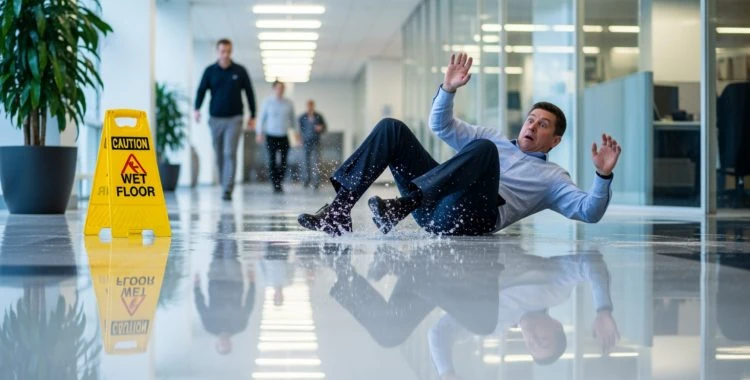
Premises Liability Issues – Preserve Photos Before Conditions Change
Premises liability disputes often begin with an ordinary-looking place: a grocery aisle, stairway, parking lot, apartment walkway, restaurant floor, or store entrance. After an accident, the condition may be cleaned or repaired almost immediately.
Photographs taken before that happens can preserve details that are difficult to recreate later.
Show the Condition and Its Surroundings
Useful photographs generally include more than a close-up. A wider image can show where the condition was located, how people approached it, whether barriers or warning signs were present, and what lighting or visibility was like.
Someone researching injury claim materials may encounter many discussions of evidence. In an actual premises case, however, the value of a photograph depends on what it accurately depicts and how it relates to other proof.
Think About Notice and Visibility
Premises liability frequently involves more than whether a hazardous condition existed. Depending on state law and the circumstances, questions may include who controlled the property, how the condition arose, whether anyone knew or should have known about it, and whether reasonable steps were taken.
Photos can provide context for those questions, but they rarely answer all of them by themselves.
Keep Incident and Witness Information
If an employee or manager creates an incident report, record the name of the person you spoke with and ask how a copy can be requested. Witness contact information can also become important if people saw the condition or the accident.
Keeping those details with photographs and medical records creates a cleaner timeline. General incident record guidance can be part of broader research, but original records should remain the foundation of your personal file.
| Evidence Type | What It Can Capture | Common Risk |
|---|---|---|
| Wide scene photo | Location and layout | Taken too late |
| Close-up image | Surface condition | Lacks context |
| Incident report | Early account | Copy not requested |
| Witness contact | Independent observation | Witness later lost |
Document What Changes Later
If the property is later repaired, a subsequent photograph can show that the scene has changed. Avoid assuming the repair itself proves fault; legal rules may limit how later remedial measures can be used, and those rules vary by jurisdiction and proceeding.
Online property liability topics may help explain general concepts, but a specific claim must be evaluated through actual evidence and applicable law.
What People Commonly Misunderstand
An injury on someone else’s property doesn’t automatically mean the property owner is legally responsible. The existence of an injury and the existence of negligence are separate questions.
Likewise, a warning sign doesn’t automatically defeat every claim, nor does the absence of a sign automatically establish one. Control of the property, foreseeability, notice, causation, the injured person’s conduct, and local law may all affect the analysis.
When Should You Talk With a Lawyer?
Legal guidance may be appropriate when injuries are substantial, evidence is being changed or destroyed, several businesses or property owners may share control, an insurer disputes responsibility, or a filing deadline is uncertain.
People who need assistance finding counsel can start with USA.gov’s legal-aid directory, which identifies resources for civil legal problems, including personal injury.
Frequently Asked Questions
What should premises liability photos include?
Consider capturing the specific condition, the surrounding area, walking path, lighting, signs or barriers, nearby fixed objects, and several viewing angles. Preserve the original image files rather than keeping only edited copies.
What if I didn’t take photographs immediately?
Other evidence may still help, including surveillance video, witnesses, incident reports, maintenance records, later photographs, medical documentation, or communications about the condition. Availability will depend on the circumstances.
Does a property owner have to compensate everyone injured on the property?
No. Legal responsibility generally depends on the applicable duty, breach, causation, damages, defenses, and other state-law requirements rather than the location of the injury alone.
Preserve Facts Before They Become Memories
Premises conditions can change faster than a legal dispute develops. Clear photographs, witness information, incident documentation, and medical records help preserve what was known close to the event. If the injuries are serious or responsibility is unclear, early state-specific legal advice can help identify evidence that may need protection before it disappears.
This article provides general legal information and is not a substitute for advice from a qualified attorney regarding a specific situation.







Leave a Reply