


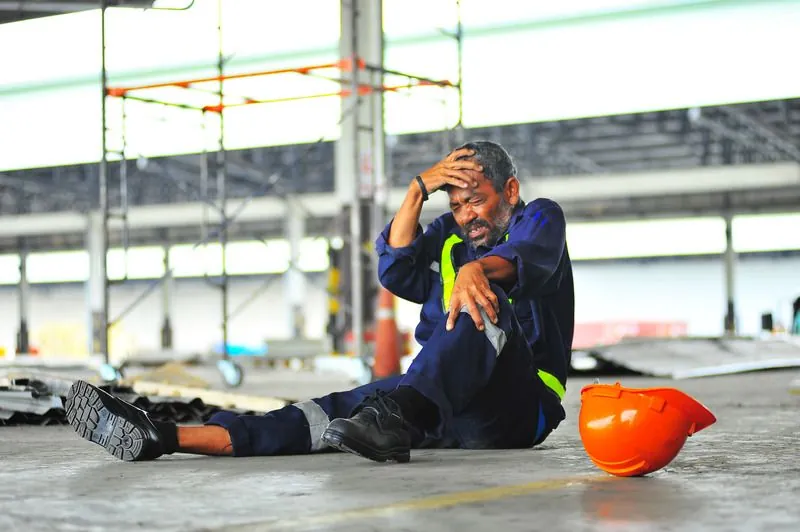
Premises Liability Issues – Preserve Photos Before Conditions Change
Premises liability issues often involve a physical condition that does not remain unchanged for long. Water gets cleaned up, merchandise is moved, ice melts, lighting changes, and damaged surfaces are repaired.
Taking photographs promptly can preserve the appearance of a location, but strong documentation usually includes context rather than a single close-up image.
Show Where the Condition Was Located
A photograph should help someone unfamiliar with the property understand the scene. Capture hallways, entrances, stairs, parking areas, nearby fixtures, signs, and other reference points where relevant.
Readers exploring premises accident topics may encounter many examples of hazardous conditions. Whether a specific condition creates legal responsibility depends on the evidence and governing state law.
Include Lighting and Visibility
A defect that is clear in a flash photograph may have been difficult to see under the lighting that existed at the time. Where possible, preserve both the condition and the surrounding environment.
Avoid manipulating lighting or rearranging objects to create a more dramatic photograph.
Save Photos in Their Original Form
Original digital files may contain useful information about when the photograph was created. Cropped copies can be useful for ordinary viewing, but they should not replace the originals.
General legal injury publications may discuss numerous claim scenarios, yet no article can recreate a specific scene once it has changed. Keeping original documentation protects against that problem.
| Photo Type | Purpose | Common Mistake |
|---|---|---|
| Wide scene | Shows overall location | Taking only close-ups |
| Medium view | Connects defect to surroundings | Missing reference points |
| Close-up | Shows condition detail | Losing scale |
| Follow-up photo | Records later changes | Replacing original images |
Look for Evidence Beyond Photographs
Witness information, incident reports, surveillance footage, maintenance records, and communications may all become relevant depending on the claim.
Someone using general legal question resources should remember that online discussions cannot establish what a property owner knew in a particular case. Questions about notice and responsibility usually depend on facts.
If an employee or manager prepares an incident report, ask whether a copy is available. Keep any document you receive rather than relying on memory of what it said.
Why Photos Can Be Misinterpreted
Photographs freeze one moment. They do not automatically show how long a condition existed, who created it, whether anyone knew about it, or whether it caused the injury being claimed.
Another mistake is assuming more photographs always mean stronger evidence. Fifty nearly identical images may add less value than a smaller set showing the scene logically from wide, medium, and close perspectives.
Accuracy matters more than drama. Evidence should document rather than exaggerate.
When to Seek Legal Guidance
Legal assistance may be worth considering when injuries are substantial, a hazardous condition was quickly repaired, surveillance footage may disappear, responsibility is denied, or filing deadlines are uncertain.
Premises liability law is largely state-specific, so a qualified attorney in the relevant jurisdiction can address local rules. The federal government also maintains general information on finding legal assistance.
Frequently Asked Questions
Can repairs destroy evidence in a premises liability case?
Repairs can change the physical scene, which is why early photographs and other records may be useful. Repairs themselves do not automatically determine legal responsibility.
Should I photograph warning signs near the hazard?
Yes, if it is safe to do so. Photograph their wording, placement, visibility, and relationship to the condition rather than capturing only the sign itself.
What if I did not take pictures immediately?
Other evidence may still be available, such as surveillance video, witness accounts, incident reports, earlier photographs, maintenance records, or communications concerning the condition.
Document the Scene as It Actually Existed
Premises conditions can disappear long before a legal question is resolved. Preserve original photographs, capture surrounding context, and keep related records together. Do not assume photographs alone establish responsibility. When injuries are serious or evidence is at risk of disappearing, jurisdiction-specific legal advice can help determine what preservation steps are appropriate.
This article provides general legal information and is not a substitute for advice from a qualified attorney.






Leave a Reply