


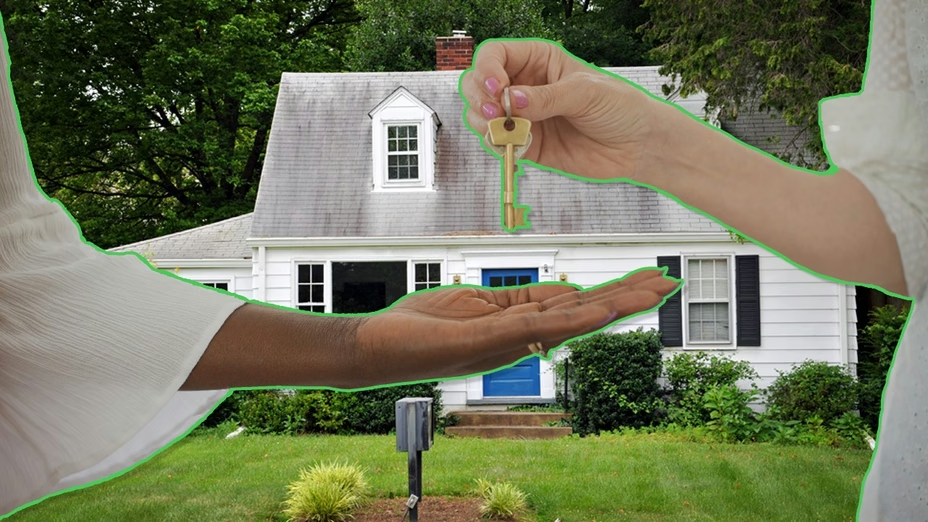
Starter Home Choices – Balance Affordability With Future Needs
A starter home should reduce financial strain without becoming impractical soon after you move in. The cheapest acceptable property isn’t always the strongest choice if changing work arrangements, family needs, storage demands, or transportation costs force another move quickly. Balance what you can afford now with the flexibility you may need over the next several years.
Define What “Starter” Means for You
A starter home does not need to be tiny, outdated, or temporary. It simply needs to fit your present budget and core requirements without requiring you to buy more house than you can responsibly manage.
Looking through everyday home planning ideas can help clarify which living features genuinely affect your routine. Separate those needs from upgrades that would be pleasant but aren’t essential.
Identify Your Minimum Requirements
Write down the features you cannot easily compromise on. These might include bedroom count, parking, accessibility, commute limits, outdoor space, or a workable home-office area.
Keeping this list short makes it easier to compare properties without constantly raising your budget.
Think About Changes Already on the Horizon
You don’t need to predict your entire life. You should, however, consider changes that are reasonably possible within the period you expect to own the home.
When reviewing home buying resources, compare properties against likely changes such as remote work, children, caregiving, pets, or employment locations. A small amount of additional flexibility can sometimes prevent an expensive early move.
| Need | Present Question | Future Question |
|---|---|---|
| Bedrooms | Enough today? | Room for change? |
| Commute | Manageable now? | Multiple job areas? |
| Storage | Current belongings? | Space to grow? |
| Maintenance | Affordable today? | Sustainable later? |
Compare Monthly Costs, Not Only Price
A lower purchase price does not automatically mean lower overall housing costs. Repairs, insurance, taxes, association fees, utilities, transportation, and maintenance can change the real affordability picture.
People using property listing resources to compare homes should look beyond asking prices. A slightly more expensive property requiring fewer immediate repairs may sometimes fit a budget better than a cheaper house with major work ahead.
Keep Cash Needs in View
Closing costs, moving expenses, initial repairs, furniture, and emergency savings matter alongside the down payment. Using every available dollar to secure the property can leave little room for the surprises that often appear after moving.
The CFPB’s home-loan resources can help buyers understand mortgage shopping and other financial elements of purchasing.
Where Starter-Home Planning Goes Wrong
One extreme is buying too little house solely to keep the purchase price low. If the space stops working within a short period, moving costs and another transaction may erase part of the expected savings.
The opposite mistake is stretching the budget because you fear ever moving again. Paying for years of unused space can place unnecessary pressure on other financial priorities.
When You Should Slow the Decision
More professional input may be worthwhile when estimated monthly costs are close to your maximum budget, the property needs expensive repairs, financing terms are unclear, or future housing changes could happen soon.
A qualified lender, housing counselor, inspector, attorney, tax professional, or real estate professional can address different parts of the decision. Their roles are not interchangeable, so use the specialist appropriate to the question.
Frequently Asked Questions
How long should I plan to stay in a starter home?
There is no required period. Consider transaction costs, expected life changes, local market conditions, and whether the home can remain functional if your circumstances change.
Should a starter home have extra bedrooms?
Only if the extra space supports realistic needs and remains affordable. Buying unused rooms solely for a distant possibility can increase purchase and ownership costs unnecessarily.
Is a fixer-upper a good starter home?
It can be, but only when repair demands, financing, time, skills, and unexpected costs are manageable. A low purchase price should not hide a large renovation burden.
Give Yourself Affordable Flexibility
A useful starter home does two jobs: it fits today’s finances and leaves enough flexibility for tomorrow’s reasonable changes. Set firm budget limits, identify essential features, calculate recurring costs, and resist paying for space or upgrades you don’t actually need.
This article provides general educational information and is not personalized financial, legal, or real estate advice.






Leave a Reply