


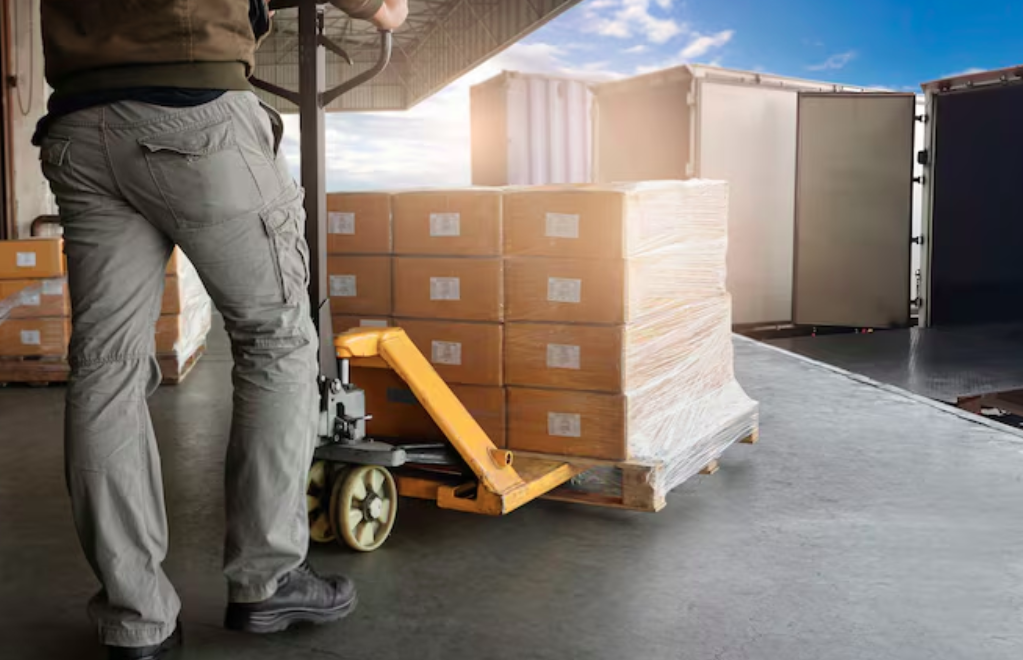
The Powerful Impact of Cross Docking on Operational Efficiency
In the fast-paced world of logistics, the ability to manage the flow of goods with precision is a cornerstone of business success. Companies are increasingly seeking ways to optimize their internal processes to meet the growing demands of consumers who expect rapid delivery times.
One of the most effective strategies for achieving this goal is the implementation of a lean transit system. By focusing on streamlined throughput, cross docking provides a powerful framework for businesses to enhance their operational efficiency while simultaneously reducing logistical bottlenecks.
Optimizing Throughput in Distribution Centers
The primary way this strategy improves efficiency is by dramatically increasing the velocity at which goods pass through a facility. Traditional models often involve long periods of inventory stagnation, where products sit in storage waiting for customer demand.
In contrast, this approach prioritizes the immediate movement of incoming shipments to outbound transport.
By removing the need for long-term storage, warehouses can process a significantly higher volume of inventory within the same amount of time, ensuring that the facility remains a hub of constant activity.
Reducing Manual Labor and Handling
Labor costs represent a substantial portion of any supply chain budget, making it essential to eliminate redundant tasks. In a typical warehouse setting, staff members spend excessive time moving stock into storage racks and then retrieving it later for order fulfillment.
By utilizing cross docking, businesses drastically reduce the number of times an individual product must be touched.
Fewer touches result in higher labor productivity, as the team can focus exclusively on sorting, loading, and dispatching, which minimizes idle time and maximizes the return on human investment.
Enhancing Real-Time Inventory Control
Maintaining accurate inventory data is a major challenge for companies with large, static storage areas. When goods are moved quickly through a transit hub, the window for discrepancies is significantly narrowed.
Because the items are sorted and immediately reloaded, the inventory is consistently accounted for throughout the entire chain.
This heightened level of visibility allows management to make faster, data-driven decisions regarding order allocation and stock movement, which prevents the chaos often associated with mismanaged or misplaced items in a traditional, overcrowded warehouse.
Accelerating Order Fulfillment Cycles
Speed is the ultimate differentiator in modern retail, and every hour saved in the warehouse translates to a better customer experience. This method shortens the overall fulfillment cycle by eliminating the delay of waiting for products to be picked from long-term storage.
When incoming goods are instantly available for dispatch, companies can offer faster delivery windows to their clients. This increased responsiveness not only satisfies the consumer but also allows the business to maintain a more agile and competitive position in a crowded marketplace.
Minimizing Bottlenecks and Congestion
Warehouse congestion is a frequent cause of operational failure, often leading to delays and errors. When space is limited, the accumulation of static inventory can grind operations to a halt.
The use of cross docking keeps the facility floor clear and accessible, which prevents the gridlock that hampers daily productivity.
By ensuring that goods arrive and depart in a rhythmic, continuous flow, managers can maintain a highly organized workspace that fosters smoother transitions and fewer operational interruptions, even during periods of heavy volume.
Driving Long-Term Operational Excellence
Ultimately, the goal of improving logistics is to create a sustainable and profitable business model. Companies that successfully implement lean transit strategies are better equipped to handle growth and market volatility.
By minimizing overhead and maximizing movement, a business creates a foundation for long-term success.
As the demands of global trade continue to evolve, mastering efficient movement remains the most effective path toward achieving excellence and maintaining a strong, reliable reputation with a growing customer base.





Leave a Reply