


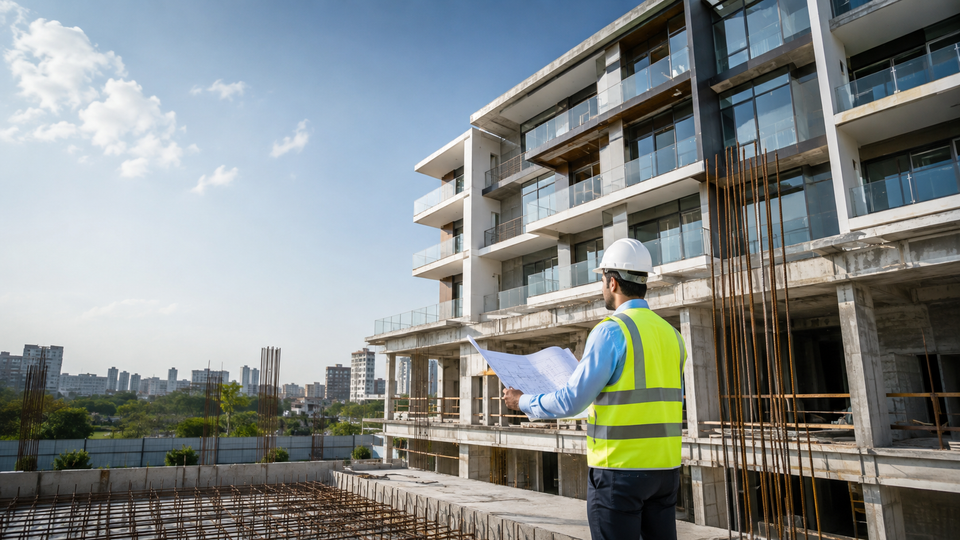
Why Is Quality of Construction Important in Real Estate Development?
The real estate sector in Bangladesh continues to expand, despite multiple setbacks. Industry leaders largely drive this expansion, whose work combines excellent customer service, a stellar reputation, and, most importantly, high-quality construction that cements their legacy.
In this guide, we’ll discuss why quality of construction is so essential in real estate. We’ll look at why the best real estate company in Dhaka, Bangladesh prioritizes build quality over everything else.
What Constitutes High-Quality Construction?
High-quality construction goes beyond using premium materials or creating the most visually appealing buildings. It requires thoughtful planning, skilled workmanship, durable materials, and strict quality control to make sure the structure remains safe, functional, and reliable over time.
- Quality Materials: Using durable, industry-standard materials helps improve structural strength, longevity, and overall performance.
- Skilled Workmanship: Experienced architects, engineers, and construction professionals play a crucial role in maintaining precision and quality throughout the project.
- Strong Structural Integrity: Proper foundation work, structural design, and adherence to engineering standards are essential for creating safe and resilient buildings.
- Attention to Detail: Careful inspection and execution of everything from electrical to plumbing systems to finishing work can significantly affect a building’s quality and usability.
- Safety Standards: Following national building construction codes and safety regulations helps protect occupants while ensuring the buildings meet required standards.
- Quality Control: Regular inspections and testing at different stages of construction help identify defects and prevent costly problems later.
- Sustainable Practices: Energy-efficient designs, responsible material selection, and environmentally conscious construction methods can enhance long-term value.
A high-quality construction is defined by how well a building performs over time, not just by how it looks when it’s completed.
Why Is Quality of Construction Important in Real Estate Development?
Quality of construction is important because it directly determines how safe, durable, and valuable a building will be. A well-built property protects the people living in it, holds its value over time, and costs less to maintain.
When a building is constructed well, everything works as it should. The structure is strong, the finishes last, and residents feel comfortable and secure in their home. When it is not, problems start showing up fast. Cracks in walls, water seepage, faulty wiring, and uneven floors are not just inconveniences. They are signs of deeper issues that get worse and more expensive over time.
Quality construction also matters beyond the buyer. It affects the surrounding community, the reputation of the developer, and the long-term health of the real estate market as a whole. Developers who build well raise the bar for everyone; those who cut corners bring it down.
In real estate, quality is not just a feature. It is the foundation everything else is built on.
How Construction Quality Shows Up in Your Home Every Single Day
Construction quality is not something you think about until something goes wrong. But the truth is, it shows up in your daily life in big and small ways, from the moment you wake up to the moment you go to sleep.
- Temperature comfort: Well-insulated walls and properly fitted windows keep your home cooler in summer and warmer in winter, without over-relying on air conditioning.
- Air quality: Good ventilation design means fresh air moves through your home naturally, reducing humidity, dust buildup, and the risk of mold.
- Noise levels: Quality construction includes sound insulation between floors and walls, so you are not disturbed by neighbours or street noise throughout the day.
- Reliable utilities: Properly installed plumbing and electrical systems mean fewer breakdowns, no unexpected leaks, and no flickering lights or tripping circuits.
- Safe spaces: Strong structures, certified electrical work, and proper fire safety systems protect your family every single day without you having to think about it.
- Low maintenance: A well-finished home simply needs less attention. Tiles stay in place, walls do not crack, and fittings do not fail ahead of their time.
The difference between a well-built and a poorly built home is not always obvious on moving-in day. But it becomes very clear once you start living in it.
What Are The Signs of Poor Construction Quality?
Poor construction quality is not always easy to spot at first glance, but the signs are there if you know what to look for. Catching them early can save you from a very costly mistake.
- Cracks in Walls or Ceiling: Small cracks may seem harmless, but often point to deeper structural issues beneath the surface.
- Uneven or hollow floors: Floors that dip, creak, or sound hollow when tapped are not laid properly during construction.
- Water stains and damp patches: Discolouration around windows, walls, or ceilings is a clear sign of poor waterproofing.
- Mold growth: Mold appears where moisture builds up over time, usually because of insufficient ventilation or seepage that was never properly addressed.
- Sticking doors and windows: Frames that do not open or close smoothly indicate poor finishing or structural movement in the building.
- Visible gaps and misaligned fittings: Gaps around door frames, uneven tiles, and poorly fitted fixtures all point to rushed or careless workmanship.
- Frequent electrical issues: Tripping circuits, flickering lights, or overheating sockets are signs of substandard electrical installation.
Always visit the actual unit before buying, not just the display apartment. What you see in a showroom is designed to impress. What you see in the real unit tells the truth.
Why Are Developers Important in Ensuring Construction Quality?
The developer is the single most important factor in determining how well a building is built. Every decision about materials, engineers, construction methods, and safety standards starts and ends with them. The best real estate companies of Bangladesh don’t just oversee construction; they take full responsibility for every aspect of it.
- The developer decides what grade of materials to use, which contractors to hire, and what level of finish is acceptable. Those decisions shape everything.
- Qualified architects, structural engineers, and experienced construction teams do not just happen. A responsible developer actively searches for them.
- Construction quality depends on consistent oversight at every stage, from foundation to finishing. A hands-on developer catches problems before they become expensive.
- Building codes, safety standards, and regulatory approvals are the developer’s responsibility. Buyers should not have to chase this information.
- A developer who is confident in their construction quality offers a clear defect liability policy and remains accessible after handover.
- When a developer builds well, your property holds its value. When they cut corners, you pay for it long after they have moved on to their next project.
Choosing the right developer is not just about finding a good apartment. It is about finding someone who takes the same care with your home as you would yourself.
Final Thoughts
Construction quality is not something to think about after you have signed the agreement. It affects how safe your home is, how comfortable it feels, and how much it is worth in the long run. Getting it right starts with choosing the right developer.
Take your time, ask the right questions, and never let a good price distract you from a bad build. A well-constructed home will always be worth more than it cost. A poorly built one will always cost more than it is worth.
FAQs
1. How do I know if a building is well constructed before buying?
Visit the actual unit, not just the showroom. Look for smooth finishes, straight walls, solid floors, and no signs of water damage. Ask the developer for material specifications and request a third-party structural inspection if possible.
2. What is a defect liability period and why should I ask for one?
It is a period after handover during which the developer fixes any construction defects at no cost to you. Always confirm the duration and scope in writing before signing. A confident developer will offer this without hesitation.
3. Does construction quality affect energy bills?
Yes, significantly. Well-insulated walls, properly fitted windows, and energy-efficient design reduce the amount of heating and cooling your home needs, which directly lowers your monthly utility costs over time.
4. What is the difference between structural quality and finishing quality?
Structural quality refers to the strength and safety of the building itself, including foundations, concrete, and steel. Finishing quality covers what you see and touch daily: flooring, walls, fittings, and fixtures. Both matter, but structural quality is harder and more expensive to fix after the fact.
5. Should I get an independent inspection before buying a new build?
Yes, whenever possible. An independent structural inspection gives you an unbiased assessment of the build quality, separate from what the developer tells you. It is a small cost compared to the protection it provides.
6. How does construction quality affect resale value?
Buyers and investors are willing to pay more for well-built properties. A building with a strong construction record, quality materials, and low maintenance history commands a higher price and sells faster than one with a history of defects or repairs.
7. What should I look for when visiting a developer’s completed projects?
Check for cracks, water stains, uneven surfaces, and the condition of common areas. Speak to residents about their experience after handover. How a building holds up years after completion is the most honest reflection of construction quality.
8. Can poor construction quality be fixed after purchase?
Some issues can be repaired, but structural problems are extremely costly and disruptive to fix. Surface-level defects like poor finishing are easier to address. The best approach is to identify issues before buying, not after.
9. How long should a well-built residential building last?
A properly constructed residential building should last 50 to 100 years with regular maintenance. Buildings that use substandard materials or poor construction methods often show serious deterioration within 10 to 20 years.
10. Is it worth paying more for a higher quality construction?
Almost always. The upfront cost difference between a well-built and a poorly built apartment is far smaller than the long-term savings in maintenance, repairs, and retained property value. Quality construction pays for itself over time.



Leave a Reply