


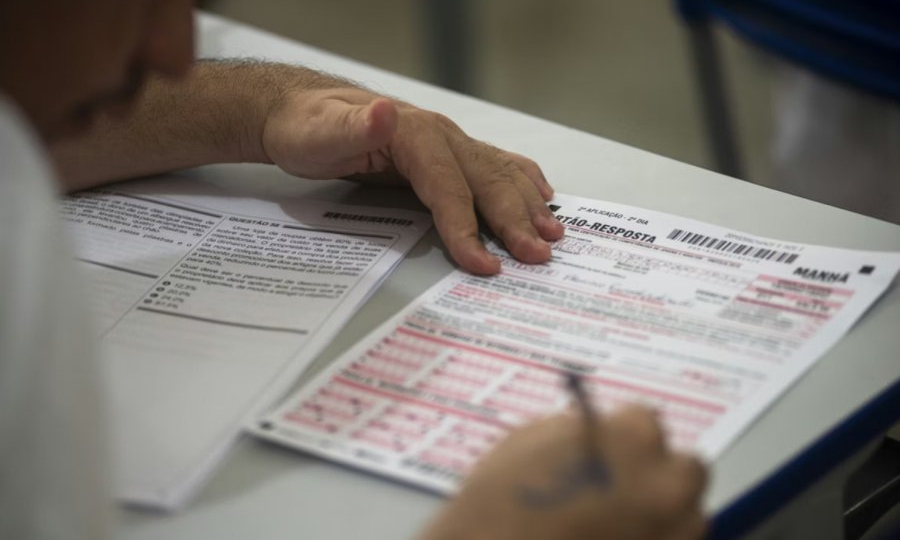
Immigration Form Errors: Correct Mistakes Before They Multiply
An immigration form error can be as small as one mistyped date or as significant as an incorrect answer about immigration history. The right response depends on what was wrong, who made the error, whether the form has already been filed, and whether the mistake affects eligibility.
Finding the problem early gives you more options for correcting the record clearly.
Identify the Type of Error First
Start by separating harmless formatting issues from factual mistakes. A misspelled street name is different from an incorrect marital history, prior entry, arrest disclosure, status expiration date, or answer to an eligibility question.
People often search across estate-related legal listings and other legal resources while trying to understand documents. Immigration errors should be evaluated against the exact immigration form, its instructions, and the records used to prepare it.
Fix Problems Before Filing Whenever Possible
Before submission, compare the draft form with passports, birth records, marriage documents, prior immigration filings, I-94 information, previous notices, and other records that support the answers.
Related personal circumstances may also lead someone to custody-related legal resources. Those issues can matter in certain cases, but the immigration form should still reflect complete and accurate information based on the question being asked.
| Error Type | Example | Practical Response |
|---|---|---|
| Typing error | Misspelled name | Correct before filing |
| Date conflict | Different entry dates | Verify against records |
| Missing history | Omitted prior filing | Review significance |
| Agency typo | Error on USCIS document | Use appropriate correction route |
After Filing, Use the Right Correction Route
There is no single correction method for every immigration mistake. The proper approach may depend on the form, processing stage, online account options, upcoming interview, and seriousness of the incorrect information.
Broad research through insurance-law research pages cannot replace case-specific immigration instructions. USCIS does maintain a typographic-error service for certain errors made by USCIS on notices, documents, or cards, but it distinguishes those agency errors from incorrect information arising for other reasons.
Hiding the Error Usually Creates a Bigger Problem
A common bad strategy is to notice an error and hope nobody sees it. That can make later forms inconsistent and may complicate interviews or document review.
Corrections should also be truthful rather than designed to make an earlier answer look more favorable. If the mistake concerns a fact that could affect admissibility, status, eligibility, or credibility, professional advice may be more appropriate than improvising a written explanation.
When an Error Needs Legal Review
Consider legal help when the incorrect answer concerns criminal history, prior removal, unlawful presence, unauthorized employment, misrepresentation, previous denials, marital history, immigration violations, or another issue that may carry legal consequences.
For agency-generated typographical mistakes, the USCIS Typographic Error service explains the available service-request process and what information is needed. Different procedures may apply when the underlying information was supplied incorrectly by the applicant.
Frequently Asked Questions
Can I simply submit a new form after noticing an error?
Not automatically. The correct method depends on the form and processing stage. Filing a duplicate application without checking the instructions can create additional problems.
Are spelling mistakes treated the same as incorrect eligibility answers?
No. The significance depends on the information involved. A minor typo and an inaccurate answer about immigration or legal history can require very different responses.
What if USCIS made the mistake on my document?
USCIS provides a typographic-error service for qualifying mistakes attributable to the agency. Review the correction instructions before returning or replacing a document.
Correct the Record Before the Error Spreads
The safest habit is consistency. Review each form against source documents before filing, keep copies of everything submitted, and deal with discovered mistakes instead of allowing the same incorrect information to appear on future applications. When the error could affect eligibility or admissibility, get qualified guidance before choosing a correction strategy.
This article provides general legal information and is not a substitute for advice from a qualified immigration attorney or accredited representative.








Leave a Reply