

Introduction
Outdoor vehicle storage exposes cars and trucks to a range of environmental risks including sunlight, moisture, debris, and pollution. Over time, these factors can degrade paint, damage trim components, and reduce resale value. Choosing the right protection system becomes essential for long term vehicle preservation.
Two commonly considered solutions are car covers and a Truck Cap. While both serve protective purposes, they address different vehicle types and storage needs. A car cover provides flexible, removable protection for the entire vehicle surface, while a truck cap encloses the bed of a pickup truck with a rigid shell.
Understanding how each option performs in terms of weather protection, security, and day to day usability helps vehicle owners make informed decisions. The sections below examine both solutions from a technical and practical perspective to determine which works best for outdoor storage conditions.
Understanding the Main Purpose of Vehicle Protection
Outdoor exposure gradually affects nearly every component of a vehicle. Sunlight, moisture, airborne contaminants, and temperature fluctuations accelerate wear on paint coatings, rubber seals, plastics, and interior materials.
Ultraviolet radiation is one of the most damaging elements. Research on automotive coatings shows that continuous UV exposure can break down polymer structures within paint layers, leading to fading, oxidation, and surface cracking over time.
Additional studies indicate that vehicles exposed to direct sunlight for extended periods may lose around 10 to 20 percent of paint color intensity within a year if left unprotected.
Outdoor environments also introduce other hazards:
- Bird droppings and tree sap
- Dust and airborne pollutants
- Rainwater containing acidic contaminants
- Snow and ice accumulation
- Temperature swings that stress paint and trim materials
Because these risks accumulate gradually, protective solutions such as car covers or structural accessories like a Truck Cap can significantly reduce long term deterioration.
What Is a Car Cover?
Car covers are removable protective barriers designed to shield a vehicle’s exterior from environmental exposure. They are typically made from layered synthetic materials such as polypropylene, polyester, or multi layer composite fabrics engineered for weather resistance and breathability.
Key Characteristics
Most high quality covers incorporate several functional layers:
- Outer weather barrier that resists rain, dust, and debris
- UV resistant fabric coating to reduce sun damage
- Breathable membrane to prevent trapped moisture
- Soft inner lining to protect paint from abrasion
Because they wrap around the entire vehicle, car covers provide comprehensive surface protection for the roof, hood, windshield, doors, and trunk areas.
For indoor environments, specialized indoor car covers are designed with lighter fabrics that protect against dust, minor contact, and garage debris while allowing airflow.
Manufacturers focused on protective coverings, including companies such as Seal Skin Covers, typically engineer these fabrics to balance durability, breathability, and UV resistance for long term outdoor storage.
What Is a Truck Cap?
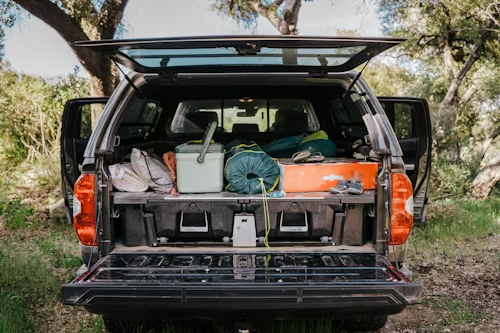
A Truck Cap, sometimes called a topper or camper shell, is a rigid enclosure installed over the bed of a pickup truck. These caps are typically constructed from fiberglass, aluminum, or reinforced composite materials and are permanently mounted to the truck bed rails.
Key Characteristics
Truck caps provide structural storage protection rather than full vehicle coverage. They usually include:
- Weather sealed windows
- Lockable rear access doors
- Integrated ventilation systems
- Interior lighting or storage racks in some models
Unlike car covers, a truck cap protects only the cargo area of the vehicle. The cab, roof, and body panels remain exposed to outdoor conditions.
Truck caps are particularly useful for:
- Cargo security
- Equipment storage
- Weather protected hauling
- Recreational vehicle conversions
However, they are not designed primarily to protect the entire vehicle surface from environmental exposure.
Weather Protection Comparison
Car Covers and Environmental Shielding
When weather protection is the primary concern, car covers offer full vehicle coverage. A properly fitted cover protects critical areas such as the roof, hood, windshield, and paint surfaces that experience the most direct environmental exposure.
Quality outdoor covers often include UV resistant coatings and waterproof outer layers that reduce damage caused by sunlight, rain, and airborne particles.
For example, modern UV resistant fabrics are engineered to block or reflect a large portion of harmful radiation that contributes to paint oxidation and fading.
Brands like Seal Skin Covers typically design their protective fabrics with multi layer construction that balances weather resistance with airflow. This breathability is important because trapped moisture can lead to mildew or corrosion if ventilation is inadequate.
Truck Cap Weather Protection
A Truck Cap provides strong protection for cargo stored in the truck bed. Rain, snow, and debris are largely kept out when the cap is properly sealed.
However, the rest of the vehicle remains exposed to the same environmental stressors as any uncovered vehicle. The roof, windshield, hood, and doors still receive direct UV exposure and precipitation.
As a result, truck caps are best viewed as cargo protection rather than full vehicle weather protection.
Security Considerations
Vehicle owners often prioritize security when storing equipment or valuables outdoors.
Security with Car Covers
While car covers do not physically lock the vehicle, they can provide modest deterrence. A covered vehicle conceals the model, condition, and contents of the car, which may discourage opportunistic theft.
Some outdoor covers also incorporate cable lock systems that secure the cover to the vehicle, preventing quick removal.
However, covers should not be considered a primary security system. They are better suited for environmental protection.
Security with a Truck Cap
A Truck Cap typically includes locking rear doors and sometimes side access panels. This provides secure storage for tools, outdoor gear, or equipment.
For work trucks or recreational users transporting valuable items, the enclosed storage space offers a meaningful security advantage.
However, it is important to note that this security applies primarily to cargo rather than the vehicle itself.
Convenience and Daily Usability
The practicality of each solution depends on how frequently the vehicle is used.
Convenience of Car Covers
Using car covers requires manual installation and removal. While modern designs often include elastic hems and tie down straps, placing a cover on a vehicle still requires several minutes of effort.
For vehicles driven daily, this can become inconvenient.
However, covers remain highly practical for:
- Long term outdoor storage
- Seasonal vehicle protection
- Vacation homes or secondary vehicles
- Protection during severe weather seasons
Outdoor covers from manufacturers such as Seal Skin Covers often include lightweight materials and storage bags that simplify handling and transport.
Convenience of a Truck Cap
A Truck Cap requires no daily installation or removal. Once installed, it becomes a permanent part of the truck.
This makes it extremely convenient for truck owners who regularly carry equipment or cargo that must remain protected.
However, truck caps reduce open bed access and may limit the ability to transport oversized items that exceed the cap height.
Indoor Storage Considerations
When vehicles are stored in garages or enclosed parking structures, environmental exposure changes significantly.
In these environments, indoor car covers offer lightweight protection against dust, accidental scratches, and minor impacts from tools or storage equipment.
Indoor covers are typically constructed from breathable fabrics such as cotton blends or soft synthetic knits. These materials prevent dust buildup while minimizing friction against painted surfaces.
A Truck Cap, on the other hand, provides little benefit in indoor storage conditions unless cargo protection is required.
For vehicles stored indoors without cargo concerns, indoor covers are usually the more appropriate option.
Long Term Cost and Installation
Car Covers
Car covers are generally less expensive than structural accessories like truck caps. Costs vary depending on material quality, custom fit design, and weather resistance features.
Because they require no installation hardware, they can be used immediately and transferred to another vehicle if compatible sizing allows.
Truck Cap
A Truck Cap represents a more permanent investment. Prices vary widely depending on materials, integrated accessories, and custom paint matching.
Installation typically requires mounting clamps and sometimes electrical connections for interior lighting or brake lights.
While the initial cost is higher, the cap becomes a permanent storage accessory for the truck.
Choosing the Right Option for Your Vehicle
The best solution depends primarily on vehicle type and protection priorities.
Car Covers Work Best When:
- Full vehicle weather protection is needed
- The vehicle is parked outdoors regularly
- Long term storage is planned
- Seasonal protection from snow or intense sunlight is required
- Paint preservation is a priority
High quality covers, including those produced by companies like Seal Skin Covers, are designed specifically for these scenarios and provide full body protection when properly fitted.
Truck Cap Works Best When:
- The vehicle is a pickup truck
- Cargo storage security is important
- Equipment must remain dry during transport
- The truck is used for work or recreational hauling
Truck caps provide excellent utility for cargo management but do not replace the protective benefits of full vehicle covers.
Combining Protection Strategies
In some situations, combining both solutions offers the most comprehensive protection.
Pickup truck owners sometimes use a Truck Cap for cargo storage while also using car covers during long periods of outdoor parking. This approach protects both the cargo area and the vehicle body from environmental exposure.
For trucks parked outdoors year round, this combination can help preserve both the functionality and appearance of the vehicle.
Final Thoughts
Outdoor storage presents ongoing risks for any vehicle. Sunlight, moisture, pollutants, and debris gradually degrade paint finishes and exterior materials if left unmanaged.
Both car covers and a Truck Cap offer valuable protective benefits, but they serve different purposes.
Car covers provide full surface protection against environmental exposure and are ideal for long term outdoor parking. Truck caps offer structural cargo protection and improved storage security for pickup trucks.
When evaluating outdoor storage solutions, vehicle owners should consider the primary protection goal. If preserving the entire vehicle exterior is the priority, well designed car covers remain one of the most practical and widely used solutions available.

